Reputation Repair After Negative Press: A Recovery Roadmap

TL;DR
Recovering from negative press requires fast action in the first 48 hours, a steady content strategy to push bad results down in search, and a systematic approach to rebuilding customer trust through reviews and media relationships. Audit your full exposure, respond calmly with facts, then publish consistent expert content weekly to reclaim your search presence long-term.
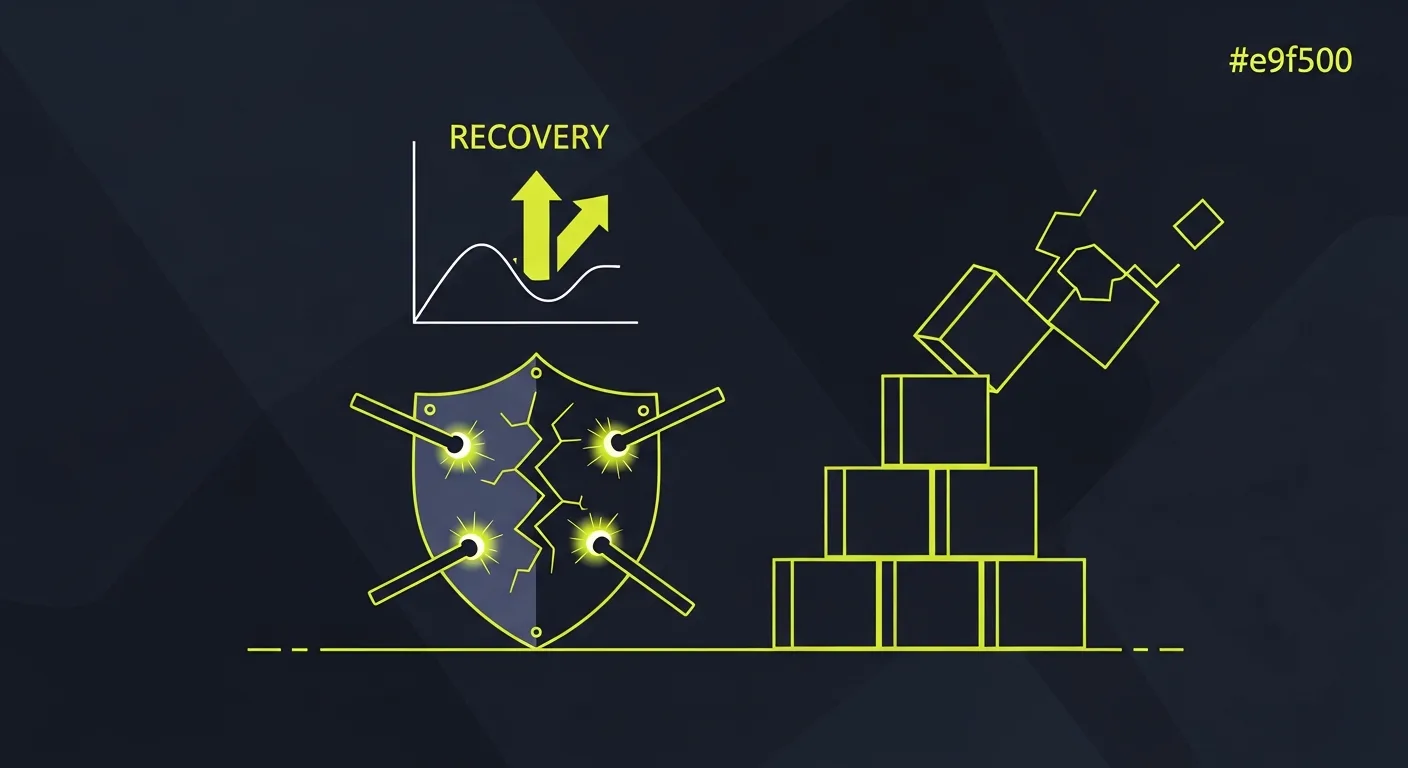
Negative press can hurt a business fast. A local news story, a viral tweet, or an exposé can spread in hours. The damage doesn't stop when the story fades. Bad articles often rank high in search results for years. They change how customers, job seekers, and partners see you.
But businesses recover from bad press all the time. Some come out stronger. This guide gives you a clear plan to rebuild, step by step.
Assess the Damage
Before you fix anything, you need to know what you're dealing with.
Immediate Impact Assessment
Take stock of what happened. Write down:
- Which outlets ran the story
- Social media reach and shares
- Search results for your business name
- Review scores on Google, Yelp, and niche sites
- Changes in customer inquiry volume
- Employee feedback and morale
Set up Google Alerts for your business name, key staff, and related keywords. You need to know when new coverage appears.
Long-term Risks
Negative press creates problems that stick around. Here's what to watch for:
Search rankings. News articles often outrank your own website. A Harvard Business School study found that one negative news article can cut revenue by 5–9%.
Customer trust. 88% of people read reviews before buying. Negative press makes existing complaints louder and creates new doubt in buyers.
Hiring. Top job seekers research employers before applying. Bad coverage makes it harder and more costly to recruit.
Phase 1: Immediate Crisis Response
Stop the Bleeding
The first 48 hours matter most. What you do now shapes whether the crisis grows or fades.
Respond quickly. Silence looks like guilt. Issue a brief statement within 24 hours. Keep it factual and calm.
Align your team. Brief all staff on the approved response. Mixed messages from your own team make things worse.
Document everything. Save screenshots of all coverage and social mentions. You'll need this for legal review or pattern tracking later.
Craft Your Initial Response
A good response covers four things:
- A direct nod to the situation
- Key facts that give context
- What you're doing to fix the problem
- A promise to stay open and honest
Avoid these common errors:
- Denying facts that are clear
- Attacking the reporter or outlet
- Promising things you can't deliver
- Using stiff language that sounds fake
Phase 2: Strategic Reputation Rebuilding
Content Strategy for Recovery
To push negative stories down in search, you need to produce good content at a steady pace. Aim for three to four pieces per week. Mix blog posts, case studies, and community stories.
Write about what you know. Cover industry trends, best practices, and fixes to common problems. This puts you in the role of an expert source, not just a company on defense.
Share real customer success stories. Include photos, specific results, and direct quotes when you can.
Media Relations Reset
Rebuilding press ties takes time, but it pays off.
Focus on outlets that want balanced coverage, not just dramatic headlines. That means trade journals and local media that cover your industry.
Use your leaders as expert sources on industry news. Regular comments build positive links over time. Give reporters exclusive access to company programs, original data, or an inside look at your work.
Reviews and Customer Quotes
After bad press, positive customer feedback matters more than ever. Build a process to collect reviews from happy customers after every sale. AI-powered review management tools can automate this while keeping it genuine.
Put customer reviews front and center on your website and social channels. Video reviews carry extra weight — they're harder to dismiss.
Respond to every negative review. Be specific, be kind, and explain what you've changed. This shows you care about feedback.
Phase 3: Long-term Reputation Rebuilding
SEO Strategy
Your goal is to push negative results down while building up positive ones.
Start with your own web presence:
- Refresh your website with updated, useful content
- Expand your Google Business Profile with photos and regular posts
- Keep your social media profiles active and complete
- Create a Wikipedia page if your business qualifies
Build trust through external content. Publish original research. Write in-depth guides. Guest post on respected sites in your field. Appear on podcasts and webinars.
Community Involvement
Community work rebuilds trust faster than ads. Sponsor local events. Support a charity or create a grant. These activities generate genuine positive press.
Take part in your industry. Join trade groups. Speak at events. Get involved in working groups. This puts you in a positive light with peers and press.
Consider publishing a yearly report. Sharing data on your values, diversity goals, or customer outcomes builds trust with skeptical readers.
Employee Advocacy Program
Your employees are trusted voices — and often underused.
Keep them in the loop. When staff feel informed, they're more confident talking about the company in daily life. Give them clear social media guidelines. Encourage them to share genuine company news and wins.
Recognize employee achievements in public. It creates positive content and boosts morale at the same time.
Tracking Your Recovery
What to Track
Track these to measure progress:
Search results. Where do negative articles rank now? How many positive results show up on page one? Is brand search volume growing?
Review metrics. What's your average star rating? Are new reviews coming in? Are you responding to all of them?
Business outcomes. Has web traffic recovered? Are leads coming in? What's happening with customer retention and staff turnover?
How Long Will It Take?
Recovery doesn't happen overnight. Here's a realistic picture:
- Months 1–3: Crisis stabilizes. Initial positive content goes live.
- Months 4–6: Search results and review scores start to improve.
- Months 7–12: Clear positive momentum. Business metrics recover.
- Year 2+: Complete recovery. The negative coverage becomes old news.
Advanced Recovery Strategies
Legal Options
Sometimes legal action supports your recovery. Here are a few options to explore with a lawyer:
Defamation claims. If coverage includes false statements of fact, you may have a defamation case. Media lawyers can advise on your options.
Right to be forgotten. In some countries, you can request removal of outdated or irrelevant data about your business.
Copyright claims. If a story used your content without permission, a DMCA takedown may help remove it.
Outside Help
For serious crises, bringing in experts makes sense. PR firms that handle crisis work understand media dynamics and can craft better responses.
SEO and content agencies can speed up your search result recovery. And reputation management platforms offer tools to automate tracking, review collection, and response — so you can focus on strategy.
Prevention Strategies
Building Reputation Resilience
The best time to protect your name is before anything goes wrong.
Build press ties now. Regular contact with reporters makes balanced coverage more likely when things get hard. Keep your customer experience strong — most bad press starts with a real complaint. Build a crisis playbook with pre-approved response drafts so you can move fast when something happens.
Early Warning Systems
You need to know when problems are brewing. Set up:
- Social media monitoring for brand mentions
- Alerts on review sites for new reviews
- Tracking for industry outlets that cover your sector
- Internal channels where staff can raise concerns safely
Internal problems become public scandals when employees have no safe way to speak up. Give them one.
Industry Notes
Healthcare and Professional Services
Regulated industries face extra limits. Privacy laws restrict what you can say in public. Licensing boards may probe negative coverage. Client privacy makes it hard to defend yourself with specific details.
Focus on general expert content and clear updates about process changes.
Retail and Hospitality
Restaurant reputation management and retail businesses often recover faster. Customer feedback cycles are short and visible. Local community support can offset wider negative coverage.
Lean into customer experience gains and local presence.
B2B Services
If you sell to other businesses, focus on:
- Recovery in trade publications
- Client quotes and detailed case studies
- Active work within trade groups
- Speaking slots at industry events
Frequently Asked Questions
How long does reputation recovery take after negative press?
Major improvement usually takes 6–18 months. Complete recovery often requires 2–3 years, depending on how serious the coverage was and how well you execute your plan. Businesses that stick with a full strategy often see clear progress within six months.
Should I respond to negative press coverage directly?
Yes — but keep it brief. Issue a factual response within 24–48 hours. Acknowledge the situation and say what you're doing about it. Don't attack the reporting or relitigate every detail. Focus on what comes next.
Can I legally force removal of negative news articles?
Rarely. News outlets have strong First Amendment protections. False statements of fact may support a defamation claim in some cases. You may also have options under "right to be forgotten" laws in some countries, or if the article used your content without permission.
How do I prevent negative press from dominating search results?
Produce useful, well-optimized content at a steady pace — three to four pieces per week. Focus on know-how, customer stories, and community work. Keep your website, social profiles, and Google Business Profile current. Build trust through guest content and media appearances.
Should I hire a reputation management firm?
Consider it if the crisis is widespread or is directly hurting your business. Crisis PR experts bring media experience most businesses don't have. For smaller incidents, the strategies in this guide may be enough.
How do I rebuild trust with existing customers after negative press?
Be open and take real action. Reach out directly to key customers and tell them what steps you're taking. Improve your service — and make those improvements visible. Share progress updates. Be ready to offer extra support or guarantees while trust rebuilds.
Ready to grow?
Turn happy customers into 5-star reviews
Praising.ai automates review requests for Google, Trustpilot and the other review sites you use. Businesses see an average 3x increase in reviews within 30 days.
Written by
· 106 articlesMarcus Webb
Reputation Management Specialist
Marcus has spent over a decade helping small and medium businesses understand online reviews and local search. He writes about Google Business Profile, review automation, and the mechanics of reputation management—always from the angle of what actually moves the needle for independent businesses.
View all articlesGet weekly review tips
Actionable strategies to grow reviews and revenue, straight to your inbox.
No spam. Unsubscribe anytime.
Get more 5-star reviews on autopilot
Praising.ai automates review requests for Google, Trustpilot and the other review sites you use — free to start, no credit card required.
Start FreeFree 14-day trial