10 Proven Testimonial Types to Skyrocket Your Website Conversions

TL;DR
Not all testimonials convert equally — video and case study formats consistently outperform generic quotes because they provide context and measurable proof. Match your testimonial type to your funnel stage: video for landing pages, peer quotes near CTAs, and expert endorsements to overcome skepticism. Specificity and relevance drive conversions more than volume.
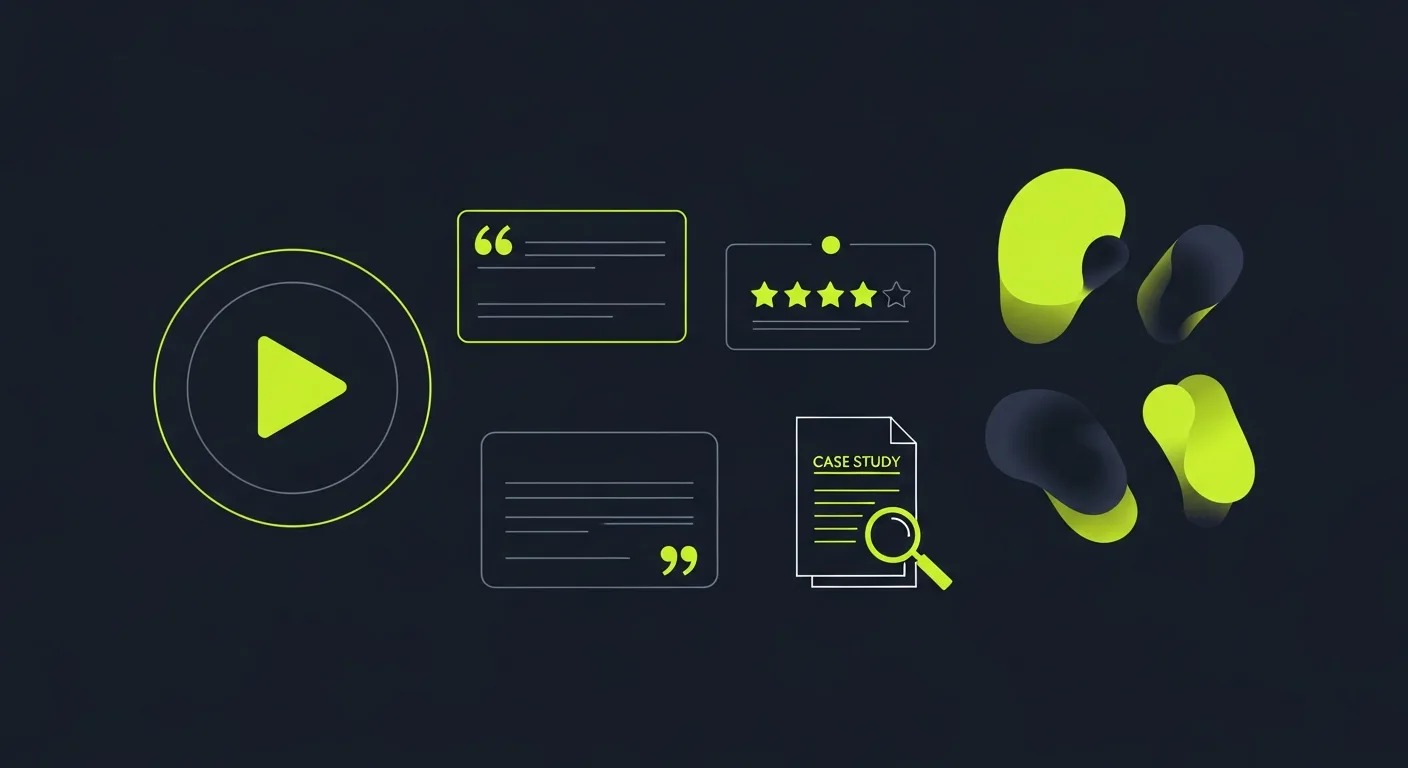
Not all testimonials are created equal. A generic "Great product!" quote does far less for conversions than a detailed case study showing measurable results. The format you choose should match your audience, your product, and where the testimonial appears in your funnel. Here are 10 testimonial formats ranked by conversion impact, with guidance on when to use each one.
- Video Testimonials
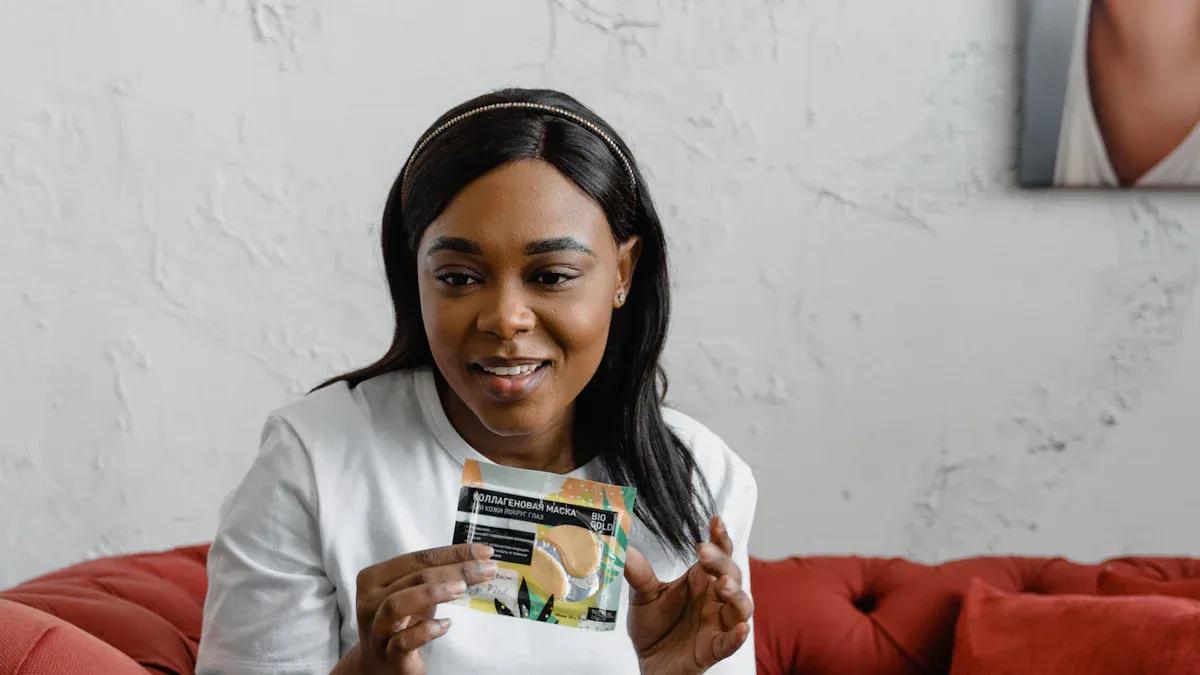
Video testimonials always outperform other formats. Parachute increased ad clicks by 35% using customer video stories, and Xendoo boosted sign-ups by 31.74% after adding video testimonials to their landing page. Best for: Landing pages, product pages, and social media ads. Keep videos under 90 seconds for maximum completion rates.
- Case Study Testimonials
A structured narrative that walks through the customer's problem, the solution, and the measurable outcome. Unlike a simple quote, a case study provides enough context for prospects to see themselves in the story. Best for: B2B sales where buyers need to justify purchases to stakeholders. Include specific metrics — "reduced support tickets by 40%" beats "improved our workflow."
- Quote Testimonials with Metrics
The simplest format: a direct customer quote paired with a key statistic. "We saw a 3x increase in reviews within 30 days" is more persuasive than "Praising.ai is amazing" because it gives the reader a concrete standard. Best for: Homepage hero sections, pricing pages, and email campaigns. Position near CTAs for maximum conversion impact.
- Social Media Testimonials
Screenshots or embeds of genuine posts from Twitter, Instagram, Facebook, or LinkedIn. The native platform formatting signals honesty — these clearly weren't written by marketing. Best for: Building trust with skeptical audiences. User-generated content feels more authentic than polished marketing quotes because it's publicly verifiable.
- Before-and-After Testimonials

Side-by-side comparison of the customer's situation before and after using your product. The visual contrast makes the value proposition right away obvious without requiring the reader to interpret a written testimonial. Best for: Products with measurable outcomes — fitness, SaaS analytics, design tools, and marketing platforms.
- Peer Testimonials
Testimonials from customers who closely match your target audience in industry, company size, or role. A CTO reading a testimonial from another CTO at a similar-sized company will find it far more relevant than one from a marketing intern. Best for: B2B products serving specific verticals. Organize testimonials by industry or role so prospects quickly find a relevant peer.
- Expert or Influencer Endorsements
A testimonial from a recognized authority in your field carries outsized weight. One endorsement from a respected industry figure can be more persuasive than dozens of anonymous reviews. Best for: Products in specialized fields — healthcare, finance, legal, or enterprise software where authority matters.
- Long-Form Written Testimonials
Detailed, paragraph-length accounts of the customer's experience. These provide depth that short quotes can't match and serve as mini case studies without the production overhead. Best for: Built-in testimonials pages and blog content. Readers who reach these pages are already interested and willing to read more.
- Rating and Review Testimonials
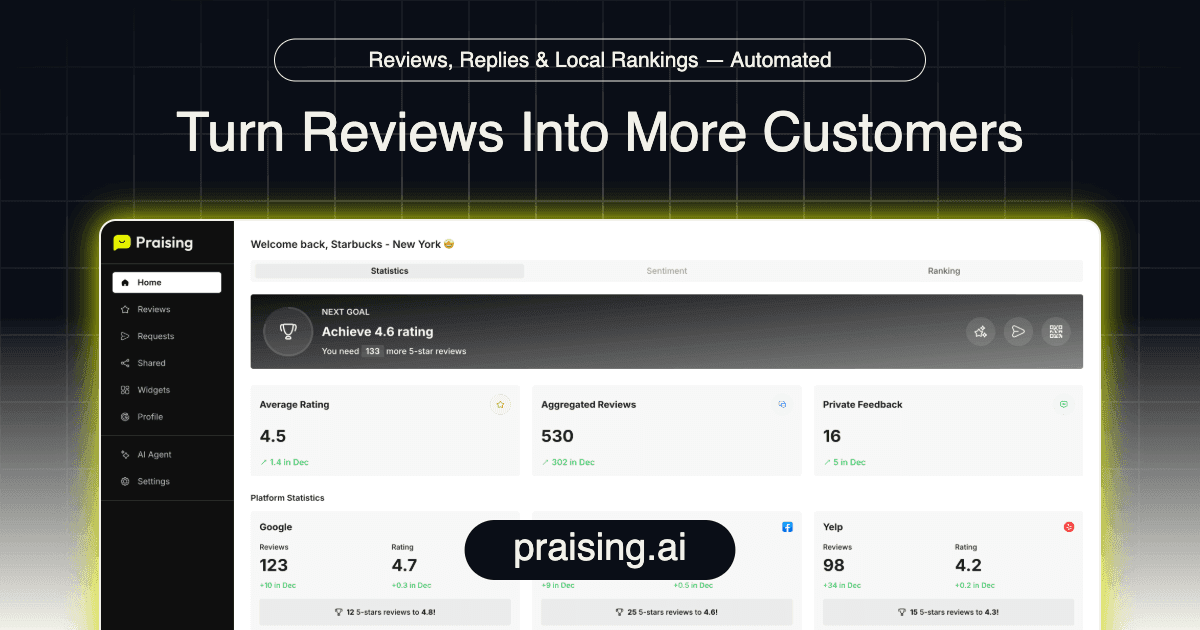
Star ratings paired with written reviews, pulled from platforms like Google, Trustpilot, or G2. Aggregate scores ("4.9/5 from 500+ reviews") provide a trust anchor, while individual reviews add specificity. Best for: E-commerce product pages and service landing pages. Praising.ai pulls in your Google and Trustpilot reviews and displays them automatically with website widgets.
- Audio Testimonials
Recorded customer quotes played via an embedded audio player. Audio adds a human element without the production cost of video. It's particularly effective for podcasts, SaaS landing pages, and mobile-first audiences. Best for: Companies that want the honesty of voice without the time investment of video production.
Choosing the Right Format
The most effective approach combines multiple formats. Use video testimonials on your homepage, case studies for enterprise prospects, and social proof widgets across your site. Automate collection with tools like Praising.ai that send review requests via SMS and email, then display responses across your website.
Frequently Asked Questions
Which testimonial type converts best?
Video testimonials always produce the highest conversion rates, followed by case studies with specific metrics. The most effective strategy combines both — video for emotional connection and data for rational justification.
How many testimonials should I display on a landing page?
Three to five well-chosen testimonials perform better than a long list. Place the strongest one near your primary CTA. Quality and relevance matter more than quantity.
Should I include the customer's full name and photo?
Yes, whenever possible. Testimonials with a real name, photo, company, and job title are greatly more credible than anonymous quotes. Always get permission before publishing.
Ready to grow?
Turn happy customers into 5-star reviews
Praising.ai automates review requests for Google, Trustpilot and the other review sites you use. Businesses see an average 3x increase in reviews within 30 days.
Written by
· 64 articlesLeila Foster
AI & Digital Marketing Writer
Leila covers the intersection of AI and customer marketing—specifically how businesses use social proof, automated testimonials, and AI-generated responses to build trust and convert more visitors. She researches the tools and workflows behind modern reputation marketing so you don't have to.
View all articlesGet weekly review tips
Actionable strategies to grow reviews and revenue, straight to your inbox.
No spam. Unsubscribe anytime.
Get more 5-star reviews on autopilot
Praising.ai automates review requests for Google, Trustpilot and the other review sites you use — free to start, no credit card required.
Start FreeFree 14-day trial