Category
Review Management
12 articles about review management.
Review management is about more than collecting five-star ratings — it's the ongoing work of asking for feedback, replying to every review, and using what customers say to run a better operation. Most businesses collect reviews by accident, which means they end up with too few and too many of the wrong kind. The articles and guide below cover the practical systems that change that: automated outreach that gets results, response habits that build trust, and platform-specific rules you need to know before you send your next request.

Review Management Software for Agencies: Complete Guide
The complete guide to review management software for agencies — white-label reporting, multi-client dashboards, bulk campaigns and reseller pricing compared.
AI Testimonial Collection: How to Automate Reviews
A guide to collecting reviews with AI tools. Learn how the process works, what prompts get more replies, how to pick the right software, and what rules to follow.
Feedback Management System for Small Business 2026
How dental clinics and restaurants use feedback tools to collect reviews, handle private complaints, and lift ratings. Includes a feature comparison and Praising.ai walkthrough.

Review Platform Guide for 2026: Statistics & Use Cases
Explore 2026 review platform statistics, compare use cases across healthcare, hotels, and small business, and find the most affordable option for your industry.

Review Solutions for Small Businesses: A Practical 2026 Guide
Discover easy review solutions for small businesses in 2026 — from free manual approaches to affordable automated platforms. Learn how to collect more reviews consistently without complex setup.
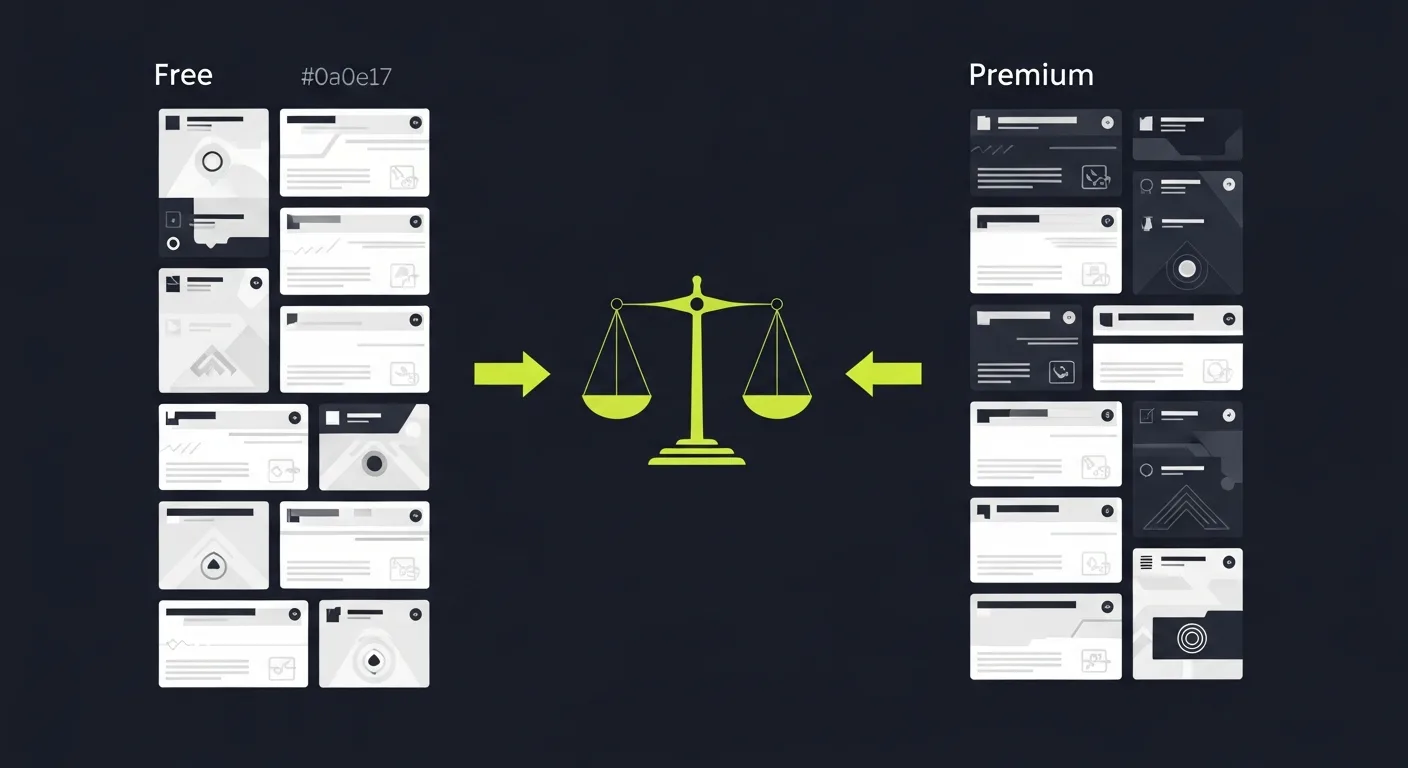
Review Management Software Pricing 2026: What It Costs
Compare review management software pricing in 2026: Reviews.io ($89+/mo), Testimonial.to (free–$50+/mo), Birdeye ($299+/mo), and Praising.ai ($19/mo). Find what each platform costs and which fits your business.
Amazon Review Management: Best Tools & Practices (2026)
Monitor ASIN ratings, automate compliant review requests, and reply to buyers fast. Compare the best Amazon review management tools for sellers in 2026.
Best Product Review Management Tools 2026 (Ranked)
The best product review management software of 2026, ranked. Compare Praising.ai ($19/mo), Birdeye, Podium, and Trustpilot—full pricing and features included.

AI-Powered Testimonial Collection: Automate and Scale (2026)
AI-powered testimonial collection automates review requests with perfect timing — more authentic customer testimonials, higher conversion, less effort.
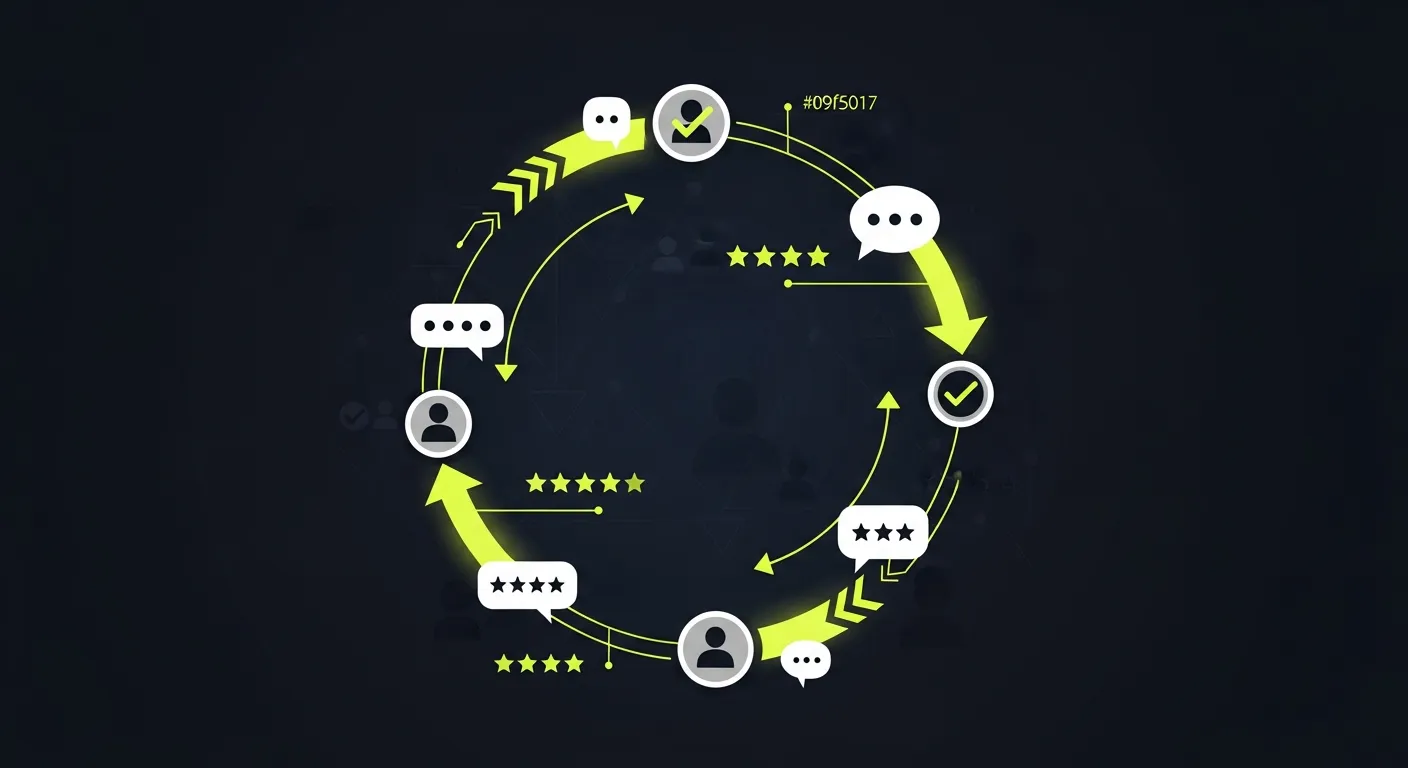
What Is a Customer Feedback Loop? Complete Guide
What is a customer feedback loop and how do you run one that actually works? Best practices, step-by-step implementation, and the right tools to use.

How to Stop Google Review Requests: A Complete Guide
Getting too many Google review request texts or emails? Learn how to unsubscribe, opt out, and stop unwanted review requests — plus how businesses can send review requests the right way.
Automated Review System: Complete Setup Guide for 2026
Learn how an automated review system works, how to set one up step by step, and how businesses including veterinary practices can build a consistent flow of new reviews.
Review management is the day-to-day work of collecting customer feedback, responding to it, and using what you learn to run a better business. It sounds simple, but most shops get it wrong in two ways: they don't ask, so they collect too few reviews; and they don't reply, so the reviews they do have sit there doing half the work they could. This guide covers both sides — the systems that keep reviews coming in and the habits that make each one count.
What review management actually means for your business
At its core, review management is the process of actively shaping your online feedback — not leaving it to chance. That includes sending review requests after purchases, tracking new reviews as they come in, writing replies, and using patterns in your feedback to spot service issues before they cost you more customers.
The passive version — waiting for happy customers to leave reviews on their own — doesn't work. Research consistently shows that unhappy buyers are three to five times more likely to leave a review without being asked than satisfied ones. That means shops with no review system end up with a skewed sample: a handful of complaints and a quiet majority of happy customers who just forgot to say anything.
Active review management fixes that imbalance. When you ask every customer at the right moment, your review profile reflects who actually uses your shop — not just the minority who felt strongly enough to write on their own.
Why responding to reviews matters
Replies are often the most skipped part of review management — and the part that pays off most visibly. When a potential customer reads your reviews, they don't just read the ratings. They read your replies. A business that never responds looks either too busy to care or indifferent to feedback. Neither is the impression you want to give.
Three reasons to reply to every review
- Replies signal to Google that your business is active. Google has confirmed that responding to reviews is a factor in local search rankings. Businesses that reply consistently tend to rank higher in the Local Pack — the map results that get the most clicks.
- A good response to a bad review wins more trust than silence. When you reply to a one-star review with genuine acknowledgment and a clear path to resolution, future readers see that you take problems seriously. That can do more for your reputation than a dozen five-star reviews with no replies.
- Replies to positive reviews build repeat business. Thanking a customer by name — mentioning what they said — reminds them they had a good experience and shows you valued their time. Small gestures like this are what turn one-time buyers into regulars.
How to build a review management strategy
A review strategy doesn't have to be complicated. What it does have to be is consistent. The shops with 200+ reviews didn't collect them all at once — they built a repeatable process that runs in the background. Here's how that breaks down.
The three parts of a repeatable review process
- Trigger: send every customer a review request, automatically. Set up a trigger in your booking tool, POS, or CRM that fires a review request 30-60 minutes after service (or 2-3 days after a product purchase). Praising.ai connects to your workflow and handles the timing and sending — no manual work per customer.
- Follow-up: one polite nudge for anyone who didn't respond. Send a single follow-up seven days after the first ask. Change the channel if possible — if your first ask was an email, try SMS. Keep it brief and personal. Most people who respond to a follow-up say they just forgot.
- Reply: respond to every review within 24 hours. Build the reply habit now, before your review volume gets large. It's much harder to catch up on months of unanswered reviews than to stay current from day one. Praising.ai's AI drafts personalized replies for each review so you can approve and send in seconds.
Managing reviews across multiple platforms
Google is the priority for most local businesses, but it's rarely the only platform that matters. Depending on your industry, Yelp, Facebook, TripAdvisor, Healthgrades, or Houzz might drive significant traffic. The challenge is keeping up with all of them without spending an hour a day on review sites.
The solution is a single dashboard that surfaces everything. Praising.ai monitors 20+ review sites and pushes instant alerts when new reviews land — so you never miss a complaint that sat unanswered for a week. You can also set which platforms to prioritize in your outbound asks based on where your customers are most likely to leave feedback.
One thing worth knowing: each platform has different rules about asking for reviews. Google allows direct requests. Yelp explicitly bans them and may filter reviews it suspects were solicited. Facebook lets you ask customers to leave a "recommendation." Knowing the rules per platform — and routing your requests accordingly — keeps you out of trouble and keeps your reviews safe.
Measuring results and improving over time
Review management is easier to improve when you track it. The numbers that matter most: average star rating, total review count, review velocity (new reviews per month), and response rate. A good system grows all four over time.
Watch your velocity especially. A shop collecting 20 new reviews a month looks actively managed to Google and to potential customers. One that collected 80 reviews two years ago and has added only 5 since looks like it might have closed. Recency matters — a steady trickle of fresh feedback beats a one-time burst that goes quiet.
Also track what customers are saying, not just how many stars they give. Patterns in negative feedback tell you where your operation breaks down. Three reviews in a month all mentioning the same thing — wait times, a specific staff issue, a product quality problem — are a clear signal that the fix needs to happen internally before any tool can help with the reviews.
Ready to manage reviews properly?
Automate review collection and replies
Praising.ai sends review requests, monitors 20+ platforms, and drafts AI replies — so you stay on top of every review without adding to your daily workload.
Get started free →