AI-Powered Testimonial Collection: Automate and Scale (2026)

TL;DR
AI-powered testimonial collection automates the timing, personalization, and multi-channel delivery of review requests so small businesses capture more authentic feedback without manual follow-up. The biggest gains come from trigger-based timing within 24 hours of a positive experience, personalized outreach referencing the actual interaction, and built-in writing prompts that reduce abandonment on blank review forms.
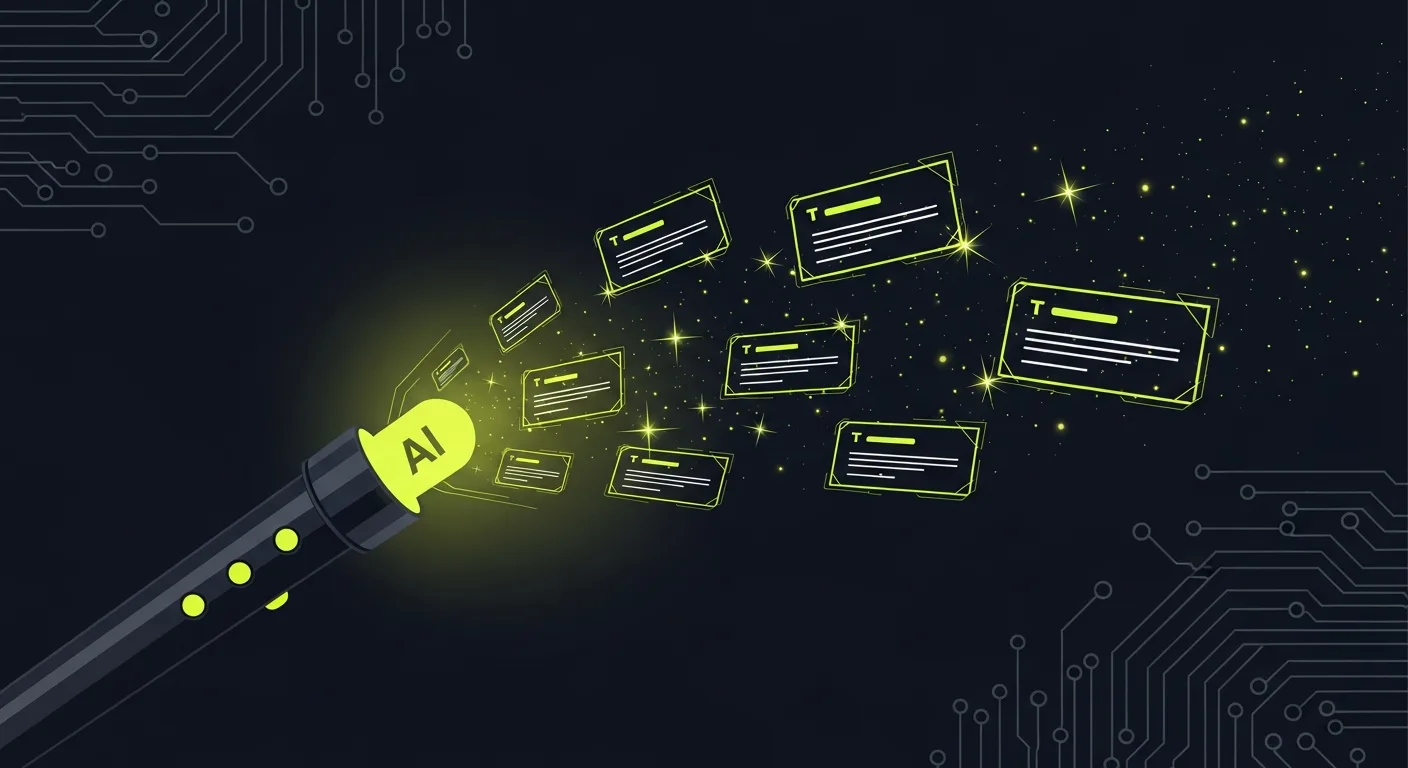
AI-powered testimonial collection replaces the awkward manual ask — the follow-up email you forget to send, the happy customer you never circled back to — with automated systems that request, capture, and organize testimonials at exactly the right moment. This guide covers how AI-powered testimonial collection works, what separates a genuinely useful tool from one that adds friction, and how to get more authentic customer testimonials with significantly less effort than a manual process requires.
What Is AI-Powered Testimonial Collection?
AI-powered testimonial collection uses automation and artificial intelligence to find satisfied customers, send them personalized review requests at optimal times, guide them through the submission process. Organize responses by sentiment, topic, and quality. The AI handles the timing and personal touch logic that humans every time get wrong when managing this manually.
The difference from traditional testimonial collection is significant. A manual process might look like this: customer visits → staff forgets to ask → owner remembers three days later → sends a generic "please leave us a review" email → customer has forgotten the experience → no testimonial. An AI-powered process looks like this: customer visit recorded in your system → AI identifies the trigger point (24 hours post-visit, or right away after a high satisfaction signal) → personalized request sent via the customer's preferred channel → AI guides them through what to say if they're stuck → testimonial captured and categorized auto.
How AI Makes Testimonial Collection More Effective
Timing Precision
The single biggest variable in testimonial collection is timing. Customers who receive a request within 24 hours of a positive experience convert to testimonial-writers at dramatically higher rates than those who receive requests a week later. Manual processes make consistent timing nearly impossible, especially for businesses serving dozens or hundreds of customers per week. AI systems trigger requests auto based on behavioral signals — a completed appointment, a resolved support ticket, a delivery confirmed — so timing is no longer dependent on someone remembering to ask.
Personalization at Scale
Generic "please leave a review" messages produce generic (or no) responses. AI-powered collection systems personalize requests using what they know about the interaction: the service received, the staff member involved, the location visited. "How was your experience with Dr. Chen's team on Tuesday?" generates more and better testimonials than "We'd love your feedback." At scale, this personal touch would require an impossible amount of manual effort; AI handles it auto.
Multi-Channel Delivery
Different customers respond to different channels. Email works for some; SMS produces greatly higher open and response rates for service-based businesses. AI testimonial collection tools manage multi-channel delivery and route each customer to the channel where they're most likely to respond, without requiring you to segment manually.
The Writing Assistance Moment
One underrated ability of AI testimonial tools is helping customers who want to leave a testimonial but don't know what to say. When a customer clicks through to leave a review and sees a blank text box, friction increases and abandonment rises. Good AI collection tools offer a starting point — "Based on your visit, here are some things other customers named. Feel free to edit or write your own." This prompt doesn't fabricate testimonials. It reduces the blank-page problem that stops many genuine testimonials from being written.
Routing and Quality Filtering
AI-powered collection doesn't just get more testimonials — it gets better-organized ones. Modern platforms analyze incoming responses for sentiment, topic coverage (food quality vs. service speed vs. atmosphere), and detail level, then route them well. High-quality, detailed testimonials can be highlighted in your marketing. Mixed-sentiment responses can be flagged for service recovery before they become public reviews.
What to Look for in an AI Testimonial Collection Tool
Review Platform Coverage
Your customers leave testimonials in different places: Google Business Profile, Yelp, Facebook, industry-specific platforms. A collection tool should support request campaigns that direct customers to the right platform for your business, with direct links that remove friction from the process.
Trigger Logic Flexibility
The best tools let you define what constitutes the right moment to ask. For a restaurant, that might be two hours after a visit. For a software company, it might be 30 days after subscription start. Look for tools that connect to your existing systems (POS, CRM, scheduling software) to pull the behavioral signals that matter for your business.
Compliance Features
Testimonial and review collection is regulated. The FTC requires that incentivized testimonials are disclosed. Google's policies prohibit filtering — you cannot route customers to a review request only if they express satisfaction. Block unhappy customers from the same path. Look for tools that collect feedback from all customers equally, with unhappy customers routed to a private feedback channel rather than blocked from a public review option. Praising.ai's review collection system is built to be compliant with both FTC and Google guidelines by design.
Feedback Analysis and Reporting
Collecting testimonials is only useful if you can use the information. AI-powered analysis that surfaces patterns — "service speed complaints have increased 20% over the past 30 days" — gives you operational insight beyond the marketing use case.
Review Schema and Display
For testimonials to contribute to your online presence, they need to be displayed with proper structured data markup. Review schema tells search engines (and increasingly, AI search systems) that your page contains customer testimonials. Can influence both traditional search rankings and how AI assistants describe your business.
AI Testimonial Collection for Different Business Types
Service businesses (healthcare, fitness, home services): Appointment-based triggers work best. Connect to your scheduling system; request testimonials within 24 hours of a completed appointment. SMS delivery every time outperforms email for this category.
Restaurants and hospitality: POS or reservation system integration enables post-visit triggers. Timing between 2 and 24 hours after a visit captures customers while the experience is fresh but settled.
E-commerce: Post-delivery triggers, ideally 3–5 days after confirmed receipt, give customers time to evaluate the product. Follow-up requests for repeat customers (who are already satisfied enough to return) yield high sign-up rates.
Software and SaaS: Milestone-based triggers — 30 days after signup, after first real action, after successful support resolution — work better than time-based alone. Customers who have seen value are the ones who leave detailed, useful testimonials.
Professional services (legal, accounting, consulting): Client lifecycle triggers (project completion, renewal) and personal outreach from the relationship owner (sent via AI but coming from a named person) convert better than generic automated messages.
Getting Started With AI Testimonial Collection
Setting up an AI-powered testimonial collection system usually involves four steps:
1. Connect your customer data source. Whether that's a CRM, POS system, booking platform, or spreadsheet import, the AI needs to know who your customers are and what they experienced.
2. Define your trigger events. Which customer actions indicate it's time to request a testimonial? Map these to the stages of your customer journey.
3. Configure your request templates. Most AI tools provide templates with personal touch variables. Customize these to match your brand voice, and set up A/B testing if the tool supports it — message framing greatly affects response rates.
4. Set up your destination platforms. Which review platforms matter most for your business? Configure direct links and prioritization rules.
From there, the AI handles delivery, timing, follow-up, and categorization. The main ongoing task is reviewing collected testimonials and responding to negative feedback before it compounds.
Praising.ai's platform handles all four steps with a setup process that takes under 30 minutes for most businesses, like multi-location configuration and multi-channel delivery across email, SMS, and WhatsApp.
Frequently Asked Questions
What is AI-powered testimonial collection?
AI-powered testimonial collection uses automation and machine learning to find the best moment to ask customers for testimonials, send personalized requests via their preferred channel, reduce writing friction with AI-guided prompts. Organize responses by sentiment and quality. The result is greatly more testimonials collected with less manual effort and better timing than manual processes can achieve.
How does AI improve testimonial collection rates?
AI improves testimonial collection rates primarily through timing and personal touch. Requests sent within 24 hours of a positive experience convert at much higher rates than delayed requests. AI systems trigger requests auto at these optimal moments without depending on staff memory. Personalized messages — referencing the specific service, visit, or staff member — also outperform generic "please review us" requests by a significant margin.
Is AI testimonial collection compliant with Google and FTC guidelines?
Compliant AI testimonial collection routes all customers to a feedback opportunity equally — satisfied and dissatisfied alike — rather than filtering based on expressed sentiment. The FTC requires disclosure when testimonials are incentivized. Google's guidelines prohibit gating (showing review requests only to customers who indicate they're happy). Look for tools, like Praising.ai, that are built with these compliance requirements in their core design, rather than as an afterthought.
What is the difference between AI testimonial collection and review gating?
Review gating is the practice of asking customers whether they're satisfied first, then only showing a public review link to those who express satisfaction. This is a Google policy violation and an FTC concern. Compliant AI testimonial collection presents both options to all customers: a path to leave a public review. A path to submit private feedback. Unhappy customers are encouraged to share their experience privately so the business can resolve it — but they're not blocked from leaving a public review.
How quickly can I set up AI testimonial collection?
Most AI testimonial collection platforms, like Praising.ai, can be fully configured in under 30 minutes for a single-location business. Multi-location setup takes longer but follows the same process. The main setup steps are connecting your customer data source (or importing a contact list), defining your trigger events, and customizing your message templates. Ongoing management involves reviewing incoming testimonials and responding to negative feedback.
What channels work best for AI testimonial collection?
SMS every time produces the highest open rates and fastest responses for service-based businesses, very in healthcare, home services, and automotive. Email works better for B2B and professional services where the relationship is more formal. WhatsApp is highly effective in markets where it's the dominant messaging platform. The best AI testimonial tools support all three channels and let you configure channel preference per customer segment.
--- Whether you call them AI-driven testimonials or AI-powered testimonial collection, the outcome is the same: more authentic customer endorsements with less manual effort.
For a practical look at how AI testimonial collection integrates with review management, see our guide to how to collect and display online testimonials effectively and the best testimonial software platforms for 2026. To see AI testimonial collection in action, start a free trial at Praising.ai.
Ready to grow?
Turn happy customers into 5-star reviews
Praising.ai automates review collection across Google, Trustpilot, Yelp, and 20+ platforms. Businesses see an average 3x increase in reviews within 30 days.
Written by
· 64 articlesLeila Foster
AI & Digital Marketing Writer
Leila covers the intersection of AI and customer marketing—specifically how businesses use social proof, automated testimonials, and AI-generated responses to build trust and convert more visitors. She researches the tools and workflows behind modern reputation marketing so you don't have to.
View all articlesGet weekly review tips
Actionable strategies to grow reviews and revenue, straight to your inbox.
No spam. Unsubscribe anytime.
Get more 5-star reviews on autopilot
Praising.ai automates review collection across Google, Trustpilot, and 20+ platforms — no credit card required.
Start FreeFree 14-day trial