Review Management vs Reputation Management: Key Differences

TL;DR
Review management software handles the review lifecycle — collecting, monitoring, and responding to customer feedback on platforms like Google and Yelp — while reputation management software adds brand monitoring, social listening, crisis alerts, and PR tools at 10 to 100 times the price. Most small and multi-location businesses only need review management, which starts at $19 per location per month versus $300-plus for full reputation suites.
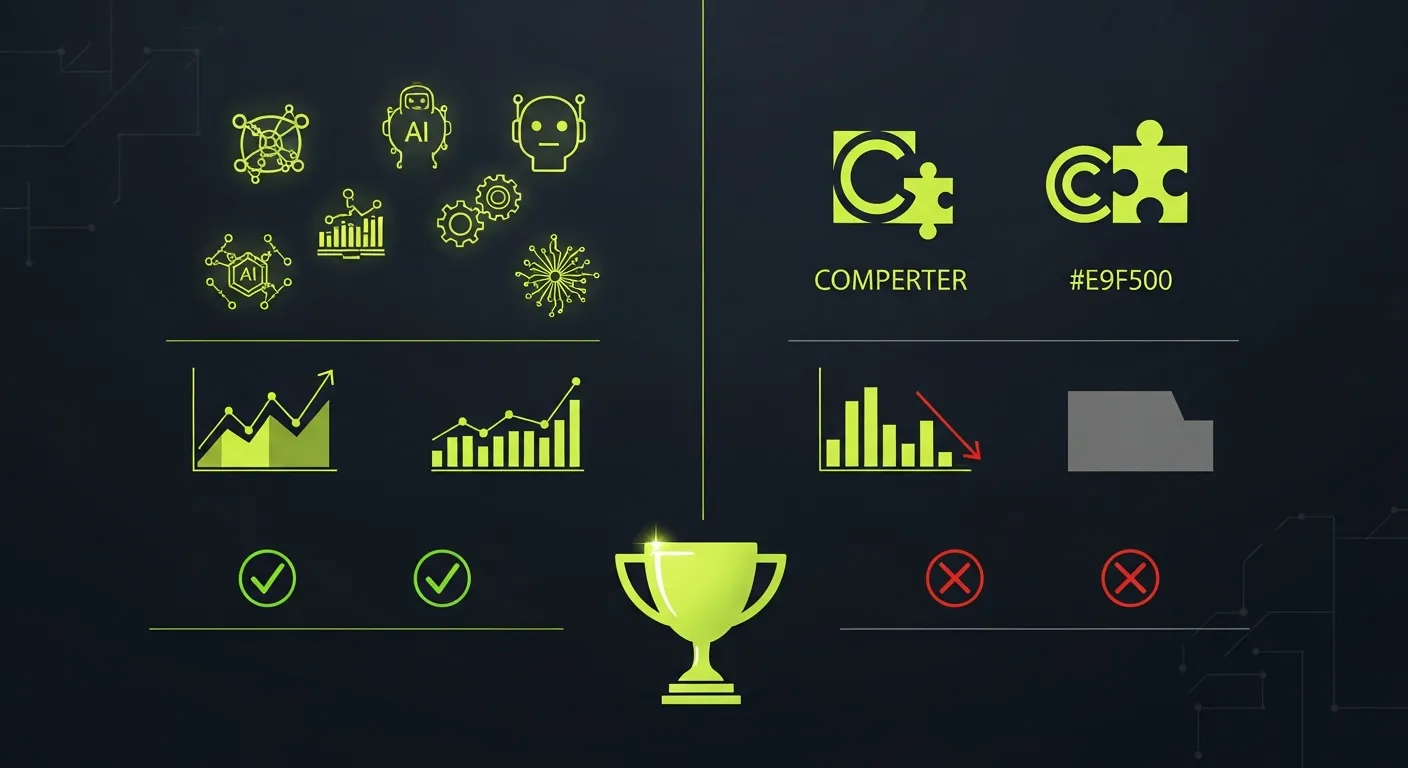
If you have searched for tools to manage what customers say about your business online, you have almost certainly seen both terms used interchangeably. They are not the same thing. Understanding the distinction helps you choose the right tool, avoid paying for features you do not need. Pick the platform that matches where your business is today.
What Is Review Management Software?
Review management software focuses exactly on collecting, monitoring, and responding to customer reviews. Its job is to help you:
- Request reviews from recent customers via email, SMS, or QR code
- Monitor incoming reviews on Google, Yelp, Facebook, and similar platforms
- Draft and post replies to reviews, often with AI assistance
- Identify trends in review sentiment across locations and time periods
The scope is intentional and narrow. A review management tool is optimised for the review lifecycle — getting reviews in, reading them quickly, responding well. Tracking the aggregate star rating over time.
Tools in this category include Praising.ai, Grade.us, ReviewTrackers. The review-specific modules inside broader platforms like Birdeye.
Typical pricing: $19 to $150 per month per location, depending on volume and AI features.
What Is Reputation Management Software?
Reputation management software is a broader category. It includes everything review management software does, plus:
- Brand mention monitoring across news sites, blogs, social media, and forums
- Social listening to track conversations about your brand, competitors, or industry
- Crisis alert systems that flag sudden spikes in negative sentiment
- Competitive benchmarking against rival businesses
- PR workflow tools for handling public-facing communications at scale
- Listings management to keep your business data accurate across dozens of directories
Reputation management platforms were originally built for large enterprises, PR teams. Agencies managing multiple brands simultaneously. The category includes tools like Reputation.com, Yext, Sprinklr, and Meltwater.
Typical pricing: $300 to $5,000 per month, with enterprise contracts often running well above that.
The Core Difference: Scope and Audience
| Feature | Review Management | Reputation Management |
|---|---|---|
| Google review monitoring | ✓ | ✓ |
| Review request automation | ✓ | Partial |
| AI-drafted review replies | ✓ (modern tools) | Sometimes |
| Social media mention tracking | Rarely | ✓ |
| News and blog monitoring | No | ✓ |
| Crisis alerts | No | ✓ |
| Listings / NAP management | Some | ✓ |
| Competitive benchmarking | Some | ✓ |
| Target audience | SMBs, multi-location brands | Enterprises, PR teams, agencies |
| Starting price | $19–$150/mo | $300–$5,000+/mo |
The simplest way to think about it: review management software is a subset of reputation management software. Every review management tool is doing a slice of reputation management. Not every reputation management platform is optimised for the hands-on, day-to-day work of collecting and responding to reviews at the business location level.
Which One Does Your Business Need?
Choose review management software if:
- You operate one to fifty locations
- You want to grow your Google star rating and review count
- You want to reply to reviews quickly, ideally with AI-drafted responses
- You are spending less than $5,000 per year on any marketing tool
- You do not have a PR department or communications team
Choose reputation management software if:
- Your brand is often named in news, forums, or social media at a real volume
- You manage communications across multiple brands or for multiple clients
- You have a set PR or marketing operations team
- A crisis or viral negative story could materially affect your stock price, work with agreements, or public funding
- You need competitive intelligence at the brand level, not just the review level
Most small and mid-sized businesses — restaurants, dental practices, law firms, contractors, hotels — need review management software. The enterprise reputation management platforms deliver features those businesses will never use and charge prices that make no sense at that scale.
AI Reputation Management Software: A Focused Comparison
One of the fastest-moving areas in this space is AI. Over the past two years, AI-generated review replies went from a niche feature to the expected default. Here is how the leading AI-powered options compare:
Praising.ai
Praising.ai is built AI-first. Its review reply drafts are grounded in the specific content of each review — not generic templates. The platform also generates sentiment analysis across your entire review library, surfaces action items. Handles the full review request workflow from a single dashboard. It is priced for small businesses and growing multi-location brands, starting at $19 per month.
Birdeye
Birdeye is one of the largest platforms in this category. Its AI features include BirdAI for reply drafting and sentiment analysis. The platform is built for scale and enterprise contracts. Pricing starts around $299 per month and scales greatly for multi-location use.
Podium
Podium combines review management with messaging tools for customer communication via SMS. Its AI capabilities focus on automating outbound messages and lead capture. Pricing starts at $399 per month, making it better suited to businesses with high customer interaction volumes.
Grade.us
Grade.us is an agency-focused review management platform with AI reply drafting and white-label options. It works well for marketing agencies managing multiple clients. Pricing starts at around $110 per month.
Reputation.com
Reputation.com bridges the gap between review management and full enterprise reputation management. Its AI features include sentiment analysis and competitive benchmarking. It targets multi-location brands and enterprises; pricing is not publicly listed and usually involves custom contracts.
The AI Difference in Practice
The practical question is not whether a tool uses AI. How well the AI is integrated. A tool that generates a generic "Thank you for your feedback, we value your business" reply is technically using AI — but it adds no value. The better platforms in 2026 generate replies that:
- Reference specific details from the review
- Match the tone of the business (formal for a law firm, friendly for a café)
- Address any complaint raised before steering toward resolution
- Respect platform character limits
When evaluating AI reputation management tools, ask for a live demo with your actual reviews rather than a scripted walkthrough with sample content.
Frequently Asked Questions
See below for answers to common questions about this topic.
Summary
Review management software and reputation management software are related but distinct categories. Review management focuses on collecting, monitoring. Responding to customer reviews — it is the right tool for most local businesses. Reputation management software adds social listening, news monitoring, crisis alerts. Competitive intelligence — it is built for enterprise teams managing large-scale brand communications.
For businesses looking for an AI-powered review management platform, Praising.ai handles the full review lifecycle from request to reply at a price point designed for small and growing businesses.
Ready to grow?
Turn happy customers into 5-star reviews
Praising.ai automates review collection across Google, Trustpilot, Yelp, and 20+ platforms. Businesses see an average 3x increase in reviews within 30 days.
Written by
· 106 articlesMarcus Webb
Reputation Management Specialist
Marcus has spent over a decade helping small and medium businesses understand online reviews and local search. He writes about Google Business Profile, review automation, and the mechanics of reputation management—always from the angle of what actually moves the needle for independent businesses.
View all articlesGet weekly review tips
Actionable strategies to grow reviews and revenue, straight to your inbox.
No spam. Unsubscribe anytime.
Get more 5-star reviews on autopilot
Praising.ai automates review collection across Google, Trustpilot, and 20+ platforms — no credit card required.
Start FreeFree 14-day trial