Essential Tips for Mastering Google Review Management

TL;DR
Google reviews directly influence both customer trust and local search rankings, making active management a core business task. Respond personally to every positive review using the reviewer's name and specific details, and keep your review volume fresh since 73% of consumers only trust reviews from the past month. More reviews equal higher local rankings and measurable revenue gains.
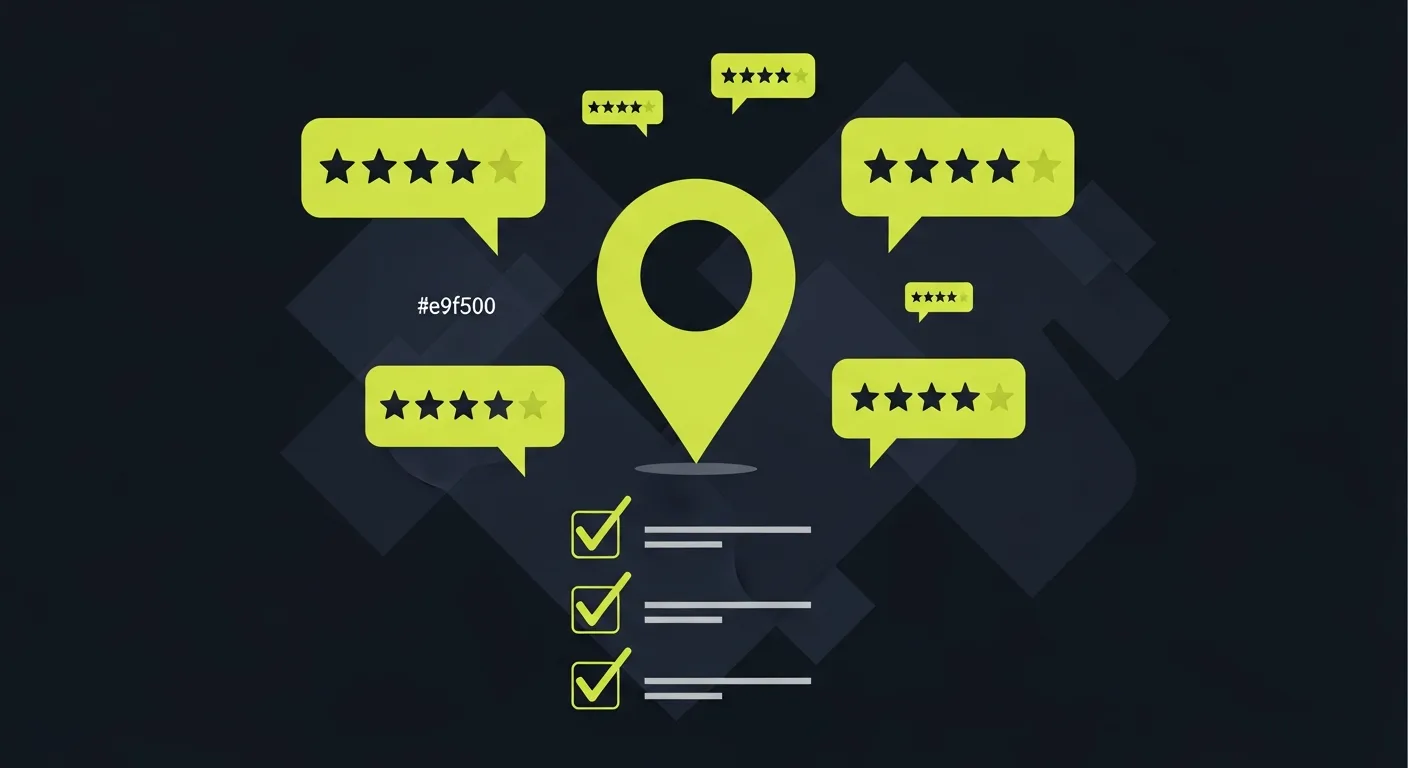
Google reviews are now one of the top factors in how customers pick where to spend money. Good review management software can mean the gap between a business that grows and one that stalls. Nearly 9 out of 10 people read reviews before buying. Your review profile shapes whether they choose you or a rival.
The stakes are real. 85% of consumers trust local reviews as much as a tip from a friend. And 73% of consumers only consider reviews written in the past month. Here's how to get it right.
Importance of Google Reviews
Impact on Consumer Decisions
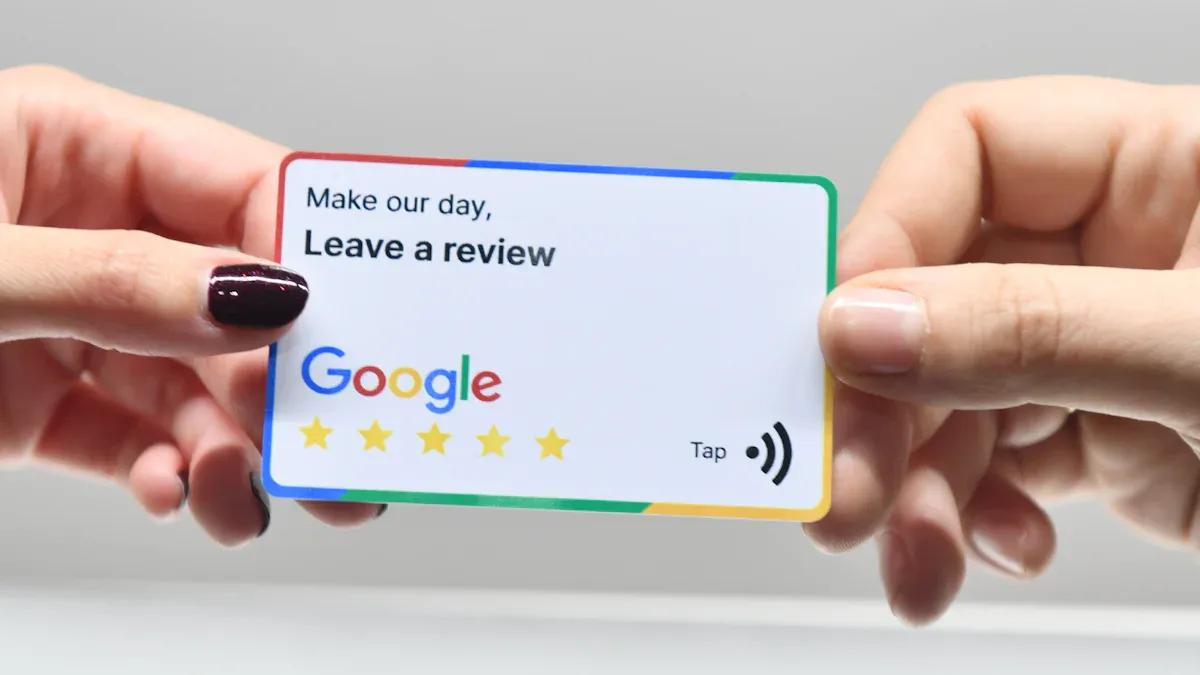
Google reviews act as a public trust score for your business. 99% of consumers reading online reviews before buying means your review profile is often the first thing that decides whether someone calls you or moves on. In fact, 93% of shoppers say reviews shape their buying choices.
Here's how much reviews matter:
- 92% of consumers won't buy a product with no reviews at all.
- 66% of shoppers say online reviews sway them on a regular basis.
- 49% rank reviews as one of their most helpful tools when making a purchase.
When you ask happy customers to leave a review, you do more than grow your count. You build a public record of trust that shapes every future buyer who finds your business. Managing your Google Business Profile well is key to making this work.
Influence on Local SEO
Google reviews are a strong local SEO signal. Businesses with more positive reviews rank higher in local search results. This directly affects traffic and lead quality.
The numbers tell the story:
- 96% of consumers read online reviews when looking into local businesses.
- Businesses with over 200 reviews see a 100%+ revenue increase versus those with fewer.
- Growing from three to sixteen reviews can give your local search rank a real lift.
Every review a customer leaves makes your search reach stronger. It builds the kind of trust that turns browsers into buyers.
Responding to Positive Feedback
Acknowledge and Thank the Reviewer
Positive reviews deserve more than silence. A good response builds the bond and shows other customers you care about their input. Here are proven approaches to responding well:
- Use their name. Mention details from their visit to make it personal.
- Say a real thank you. Go past the template. A sincere note stands out.
- Invite them back. Mention a new product, service, or event they might like.
- Share the win with your team. Forward great reviews to boost morale and set the bar.
- Mention related products. A subtle nod to other things you offer can drive repeat sales.
- Skip the copy-paste. Readers can tell right away when a reply is generic.
Why does this matter? 89% of consumers read business responses to reviews. Your reply isn't just for the reviewer. It's a public signal of how your business runs.
Encourage Further Engagement
Positive reviews open the door to deeper ties with customers. When you note details from their visit, they feel valued. That invites them to come back. A simple thank-you message that feels human rather than robotic can increase repeat visits.
You can also try sharing standout reviews on your social media or website. This grows their reach and nudges other customers to share their own stories. The result is a virtuous cycle of reach. Each public reply draws more people in. Over time, you build a group of customers who feel close to your brand.
Responding to Negative Feedback

Stay Calm and Professional
Negative reviews test your cool. But your response says a lot about your brand. A defensive or heated reply almost always makes things worse. A calm, fair response can turn a critic into a fan.
A genuine acknowledgment of the customer's experience shows you take ownership. It builds trust with every future reader too.
Here's how to stay on track:
- Set up clear response rules so your team handles reviews the same way every time.
- Never offer rewards in review replies. It hurts trust and can break platform rules.
- Start by noting the customer's concern. Show you get why they're upset before you offer a fix.
The most effective responses avoid arguing and skip the heated language. They focus on three things: name the issue, give context if needed, and state what you'll do next.
Address Specific Concerns
Generic replies to bad reviews tell the customer you didn't bother reading. To rebuild trust, address the exact issue they raised. Show you get why they're upset.
Here's what works:
- Take ownership. Own the mistake without dodging or blaming.
- Show empathy. Let them know you understand how they feel. Mean it.
- Balance with positive reviews. Ask happy customers to share their stories through follow-ups and post-service requests. This keeps your profile in context.
When you handle negative feedback constructively, the impact goes beyond one customer. 91% of consumers read reviews before making choices. They look at how you respond to problems. A good fix can be more convincing than a five-star review.
Offer Solutions and Follow Up
Fixing the real problem is what turns a bad review into an asset. Here's the playbook:
- Respond fast. Quick replies lead to better outcomes. Slow ones make the customer more upset.
- Give a real fix. Offer a refund, a swap, a service credit, or whatever fits. Vague promises won't cut it.
- Follow up after. Check in once you've fixed the issue. Ask if they're happy now. Most businesses skip this step, but it builds real loyalty.
Good review management turns service slip-ups into trust-building moments. Tools like Praising.ai can speed this up with AI-drafted replies, so you respond fast across all review channels. If you're evaluating your options, our best review management software 2026 guide compares the top six platforms side by side.
Common Mistakes to Avoid in Review Management
Ignoring Reviews
Not responding to reviews, especially bad ones, is one of the worst mistakes a business can make. An unmanaged review profile says you don't care. That drives prospects away. Businesses that reply to reviews are seen as more trustworthy than those that stay silent.
The cost of ignoring reviews is clear:
- Trust: An empty reply section breaks trust. It tells visitors nobody's home.
- Sales: 63% of shoppers are more likely to buy from a site that has reviews. Managing your online image matters.
- SEO: Reviews make up over 15% of Google's local search ranking factors. They affect your reach and traffic directly.
Ready to grow?
Turn happy customers into 5-star reviews
Praising.ai automates review requests for Google, Trustpilot and the other review sites you use. Businesses see an average 3x increase in reviews within 30 days.
Written by
· 106 articlesMarcus Webb
Reputation Management Specialist
Marcus has spent over a decade helping small and medium businesses understand online reviews and local search. He writes about Google Business Profile, review automation, and the mechanics of reputation management—always from the angle of what actually moves the needle for independent businesses.
View all articlesGet weekly review tips
Actionable strategies to grow reviews and revenue, straight to your inbox.
No spam. Unsubscribe anytime.
Get more 5-star reviews on autopilot
Praising.ai automates review requests for Google, Trustpilot and the other review sites you use — free to start, no credit card required.
Start FreeFree 14-day trial