Comparing Free and Paid Online Reputation Management Tools in 2026

TL;DR
Free ORM tools cover basic monitoring and are a solid starting point for small businesses, but paid platforms deliver automated review collection, AI-powered responses, and multi-platform social-proof widgets that drive real revenue impact. Your choice comes down to business size and growth goals. Brands serious about reputation should budget for paid tools once volume and competition increase.
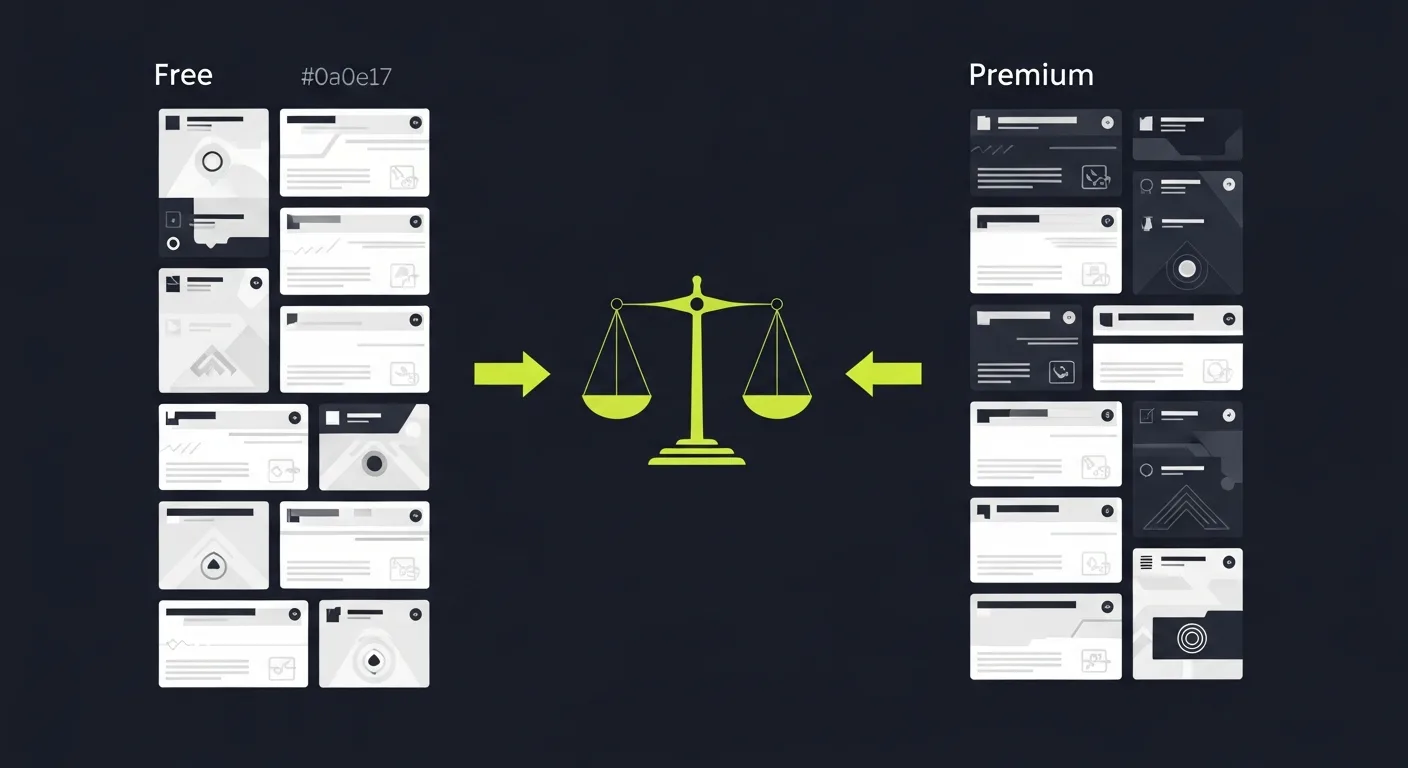
Managing your reputation is critical. A good reputation can help you earn money and attract customers. More than 90% of people read reviews online before making a purchase. This highlights the necessity of using effective reputation management tools, including free online reputation management tools. You might wonder: should you use free tools or pay for them? Each option has its own benefits and drawbacks. Understanding these differences can help you choose what aligns best with your business goals.
Key Takeaways
- Online reputation management (ORM) is critical. It helps build trust and attract customers today.
- Free ORM tools have basic features. They include real-time tracking and easy-to-use designs. This makes them great for small businesses.
- Paid ORM tools have more features and better support. They help businesses improve their online presence and connect with customers.
- Hybrid ORM tools mix the good parts of free and paid tools. They offer flexibility and save money for different business needs.
- When picking an ORM tool, think about your business size, goals, and budget. This will help you find the best tool for managing your reputation.
What is Online Reputation Management?
Definition of ORM
Online reputation management (ORM) is about how people see a brand or person online. In 2026, experts say ORM uses search engine improvement to change search results. This helps you create, watch, control, and change your brand image on the internet. ORM is critical for businesses and people who want to keep a good online reputation.
Importance of ORM
Knowing why ORM matters is key now. Here are some main reasons to focus on your online reputation: Consumer Trust: 84% of consumers no longer trust ads. They depend on reviews to make smart choices. Influence of Reviews: More than 80% of people believe reviews like personal advice. This shows how strong customer feedback can be. Research Habits: A huge 92% of consumers check online reviews before buying. This shows how important it is to know what people say about your brand. A strong reputation management plan builds trust and honesty. These traits are important for lasting success in a fast-moving digital world. For example, Airbnb has a great reputation with a score of 73.9/100 from YouGov BrandIndex. This shows how customer support can improve a brand's image. By managing your online presence well, you can gain and keep customer trust, which matters for your business's growth.
Free Online Reputation Management Tools
Key Features of Free Tools
Free online reputation management tools have many helpful features. These can help you keep your brand's image strong. Here are some important features you can find: Real-time Tracking: Tools like Locobuzz let you see brand mentions right away on different platforms. Consolidated Dashboard: You can manage online reviews easily from one place. This makes it simpler to improve customer satisfaction. AI-Powered Sentiment Analysis: This feature shows how customers feel. It helps you respond well and build better relationships. Local SEO Enhancement: By handling good reviews, these tools boost your online content. This brings more visitors to your business. Crisis Management Solutions: Early alerts help keep your brand's trust and trust safe during tough times.
Benefits of Free ORM Tools
Using free ORM tools is smart for small businesses. They offer important features without costing money. Here are some benefits: Cost-Effective: You can use great features for free. This is perfect for startups or small businesses. User-Friendly: Most free reputation management tools are easy to use. You can manage your online presence without needing special skills. Increased Reach: By using these tools, you can make your brand more visible. This helps attract more customers through good reviews.
Drawbacks of Free Reputation Management Tools
Even though free reputation management tools have good points, they also have some downsides. Here are some drawbacks to think about: Limited Features: Free tools might not have advanced features like paid ones. This includes detailed analytics or automatic responses. Less Support: You may not get as much customer support as with paid tools. This can be important in urgent situations. Data Privacy Concerns: Some free tools might not protect your data as well as paid ones. This could put your data at risk.
Paid Online Reputation Management Tools
 Paid reputation management tools have special features that can really improve your online presence. Here are some important features you can find:
Key Features of Paid Tools
Diverse Features: Paid tools offer more options than free ones. They include social listening, response management, and review management on different platforms. Automation: Many paid tools can track and track things on its own. This lets you focus on other parts of your business. Centralized Dashboard: You can see and manage reviews from many platforms in one spot. This makes your work easier. Sentiment Analysis: These tools often track keywords to understand how customers feel. Google Q&A Link: This feature helps you answer customer questions directly on Google. It makes your brand more visible.
Benefits of Paid ORM Tools
Spending money on paid reputation management tools can bring clear benefits for your business: Strengthens Brand Awareness: These tools keep your brand consistent and fight false data. This helps you be seen more online. Enhances Lead Generation: By using reviews and improving search rankings, you can get better leads and increase sales. Delivers Real-Time Consumer Insights: You get useful data that helps you improve your messages and understand trends for better audience reach. Improves Customer Loyalty: Building connections through reviews helps create trust and brand supporters. Outpaces Rivals: You can see how people feel about your industry and check how rivals are doing. This helps you find ways to stand out.
Drawbacks of Paid Tools
Even though paid tools have many good points, they also have some downsides:
Complaint/Drawback
Explanation
Suggested Solution
Automation leads to generic responses
AI tools might reply to bad reviews with the same answers.
Use different, feeling-based replies to address specific problems.
Lack of human touch
Customers might get annoyed with automated replies that feel impersonal.
Mix automation with personal responses for important users.
Inadequate handling of urgent issues
Automation might not handle serious complaints well, hurting your reputation.
Use tools that can flag urgent issues for support teams.
For a detailed look at how paid review tools compare on features and pricing, read our Best Review Management Software 2026 Buyer's Guide. You can also explore AI-specific reputation management tools or see how Praising.ai compares to Birdeye in our head-to-head comparison.
Ready to grow?
Turn happy customers into 5-star reviews
Praising.ai automates review requests for Google, Trustpilot and the other review sites you use. Businesses see an average 3x increase in reviews within 30 days.
Written by
· 106 articlesMarcus Webb
Reputation Management Specialist
Marcus has spent over a decade helping small and medium businesses understand online reviews and local search. He writes about Google Business Profile, review automation, and the mechanics of reputation management—always from the angle of what actually moves the needle for independent businesses.
View all articlesGet weekly review tips
Actionable strategies to grow reviews and revenue, straight to your inbox.
No spam. Unsubscribe anytime.
Get more 5-star reviews on autopilot
Praising.ai automates review requests for Google, Trustpilot and the other review sites you use — free to start, no credit card required.
Start FreeFree 14-day trial