10 Inspiring Startup Testimonial Examples and Their Impact in 2026

TL;DR
Startups can close the trust gap faster by using testimonials that lead with specific outcomes, relatable customer voices, and verifiable proof. The highest-converting formats include ROI-focused case studies with hard metrics, short video transformation stories, and screenshots of genuine social media praise. Matching testimonial type to buyer concern drives the strongest lift in conversions.
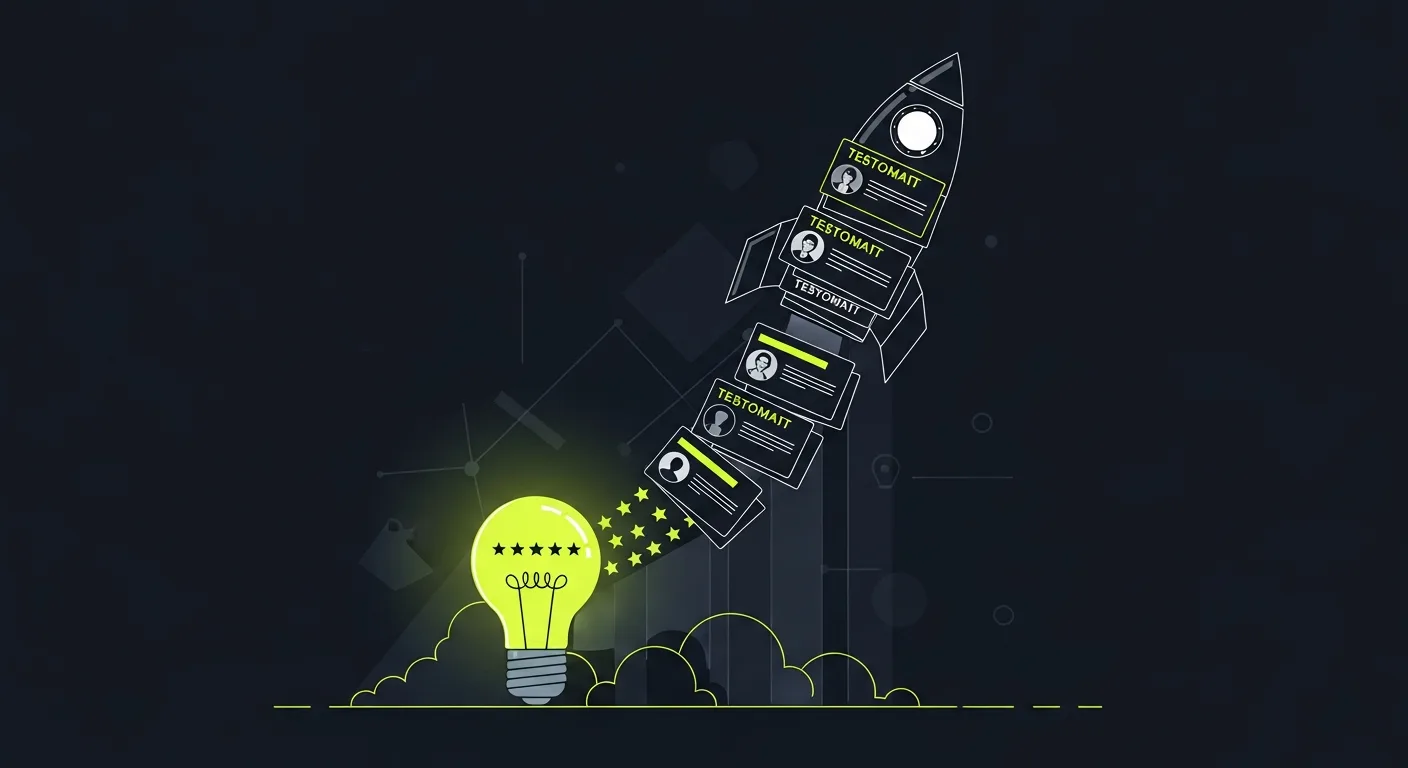
Customer testimonials are one of the most effective trust signals a startup can use. According to research from Dixa, the vast majority of consumers read reviews before making a purchase — and for startups without years of brand recognition, that social proof is even more critical. This article breaks down 10 real-world approaches to startup testimonials that actually convert, with examples you can adapt for your own business.
Why Testimonials Matter More for Startups
Built brands have built-in trust. Startups don't. A testimonial bridges that gap by letting someone else vouch for your product. The most effective startup testimonials share three traits:
- Specificity — they mention concrete outcomes ("saved 12 hours per week" beats "great product")
- Relatability — the customer sounds like your target buyer
- Honesty — real names, real companies, real results
- The ROI-Focused Case Study
Example: A B2B SaaS startup features a customer who reduced support tickets by 40% after setting up their tool. The testimonial includes before/after metrics, a timeline, and a quote from the VP of Operations. Why it works: Enterprise buyers need to justify purchases internally. Giving them hard numbers makes the testimonial a sales tool they can forward to their CFO.
- The Video Testimonial

Example: Codecademy features video stories of students who changed careers after completing their courses. Each video runs 60-90 seconds and focuses on a single transformation. Why it works: Video creates an emotional connection that text can't match. Seeing a real person describe their experience is far more persuasive than reading a quote. Dropbox uses the same approach to explain complex product value through customer narratives.
- The Social Media Testimonial
Example: A DTC brand screenshots genuine tweets and Instagram posts from customers, then features them in a rotating gallery on their homepage. Why it works: User-generated content feels more authentic than polished marketing quotes. Customers trust other customers more than they trust brands, and social proof from real platforms is harder to fake.
- The Before-and-After Testimonial
Example: A fitness startup shows side-by-side results: "Month 1 vs Month 6" with the customer's own photos and a brief written account of their experience. Why it works: Visual transformation stories are compelling because the evidence is self-explanatory. The customer doesn't need to explain — the result speaks for itself.
- The Integration Testimonial
Example: A project management startup features testimonials specifically about how their tool works alongside Slack, Jira, and Google Workspace. Each testimonial comes from a different team size. Why it works: Buyers want to know your product fits into their existing workflow. Testimonials that address link concerns remove a common objection before it's raised.
- The Peer-to-Peer Testimonial
Example: Bizzabo combines tweets, star ratings, case studies, and video into a single testimonial hub. Visitors can filter by industry, company size, or use case. Why it works: Different prospects trust different formats. Giving them options means each visitor finds the proof point that resonates with them personally.
- The Problem-Solution Testimonial
Example: A cybersecurity startup structures each testimonial as: "Before [product], we struggled with X. After setting up it, Y happened within Z weeks." Why it works: This format maps directly onto the buyer's own situation. If they recognize the "before" state, they'll trust the "after" outcome.
- The Expert Endorsement
Example: A healthtech startup features testimonials from practicing physicians who use the platform, including their credentials and hospital affiliation. Why it works: In regulated industries like healthcare, finance, or legal, endorsements from credentialed professionals carry outsized weight. The authority of the reviewer transfers to the product.
- The Community Testimonial
Example: A developer tools startup highlights forum discussions where users organically recommend the product to each other, with links to the original threads. Why it works: Organic recommendations that happen without the company's involvement are the highest-trust form of social proof. Curating these conversations shows the product has genuine advocates.
- The Scale Testimonial
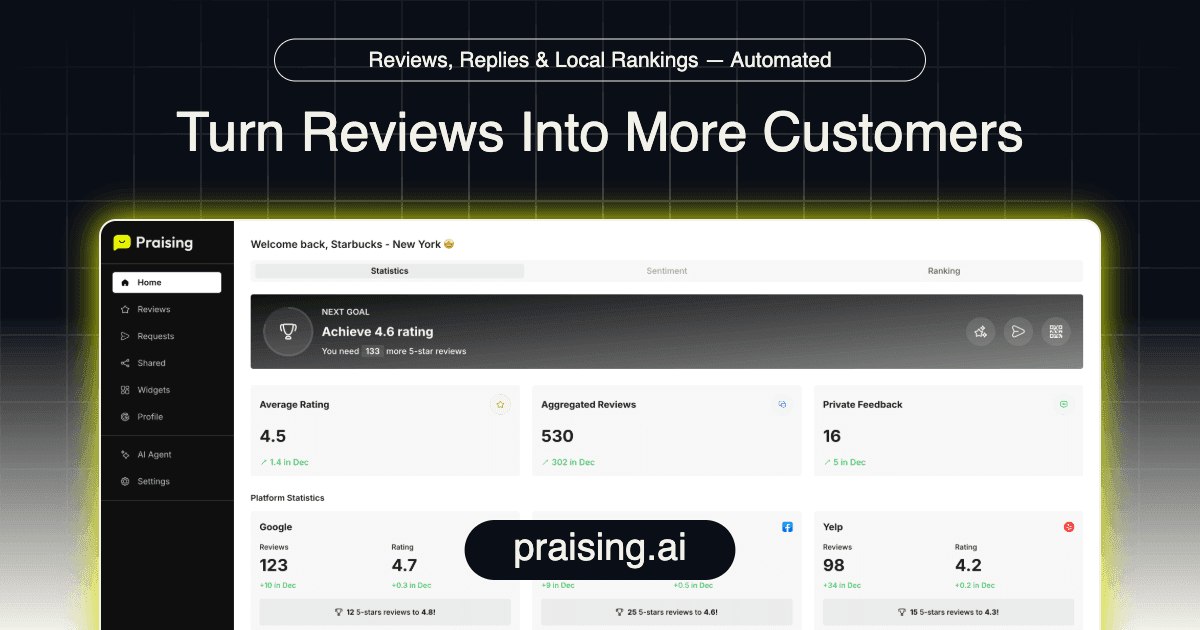
Example: A review management platform shows aggregate stats: "12,000+ reviews managed across 500+ businesses" alongside individual customer quotes. Why it works: Volume signals reliability. Individual testimonials prove quality; aggregate numbers prove scale. Together, they answer both "is it good?" and "is it proven?"
How to Collect Startup Testimonials at Scale
Manually chasing testimonials doesn't scale. Praising.ai automates the entire process — sending review requests via SMS and email, then collecting reviews on Google and the other review sites you connect. The AI agent can also respond to reviews, keeping your response rate high without manual effort. For startups with limited resources, automating testimonial collection frees up time to focus on product and growth rather than chasing individual customer quotes.
Frequently Asked Questions
What makes a startup testimonial effective?
The most effective testimonials are specific, include measurable outcomes, and come from customers who match your target audience. A quote like "Revenue increased 25% in 3 months" is more persuasive than "Great product, highly recommend."
How many testimonials should a startup display?
Quality matters more than quantity. Five strong, detailed testimonials from recognizable companies will outperform fifty generic one-liners. Start with your best 3-5 and add more as you grow.
Should startups use video or written testimonials?
Both serve different purposes. Video creates emotional connection and works well on landing pages. Written testimonials are easier to scan, better for SEO, and simpler to collect. Most startups benefit from a mix of both formats.
How can I get customers to leave testimonials?
Ask at the right moment — typically right after a positive contact or milestone. Make it easy by providing a direct link, and consider offering a small reward like an account credit. Automation tools like Praising.ai handle the timing and delivery on its own.
Ready to grow?
Turn happy customers into 5-star reviews
Praising.ai automates review requests for Google, Trustpilot and the other review sites you use. Businesses see an average 3x increase in reviews within 30 days.
Written by
· 64 articlesLeila Foster
AI & Digital Marketing Writer
Leila covers the intersection of AI and customer marketing—specifically how businesses use social proof, automated testimonials, and AI-generated responses to build trust and convert more visitors. She researches the tools and workflows behind modern reputation marketing so you don't have to.
View all articlesGet weekly review tips
Actionable strategies to grow reviews and revenue, straight to your inbox.
No spam. Unsubscribe anytime.
Get more 5-star reviews on autopilot
Praising.ai automates review requests for Google, Trustpilot and the other review sites you use — free to start, no credit card required.
Start FreeFree 14-day trial