Top 10 Free Reputation Management Tools You Should Try in 2026

TL;DR
Free reputation management tools in 2026 range from Trustpilot's review collection platform to Google Alerts' basic brand monitoring, giving small businesses a solid starting point without upfront costs. Each tool covers a specific need, so combining two or three delivers broader coverage across reviews, mentions, and customer engagement.

The reputation management industry is growing at 13.8% per year. Online reviews now shape buying choices more than almost anything else. The good news? You don't need a big budget to get started. Several free reputation management tools let you track reviews, watch brand mentions, and talk with customers at no cost. This guide covers the ten best free tools for 2026, what they do well, where they fall short, and who they're best for.
Tool 1: Trustpilot

Key Features
Trustpilot is one of the most well-known open review platforms in the world. Here's what it offers:
- Review Collection — Pull in customer feedback from emails, in-app prompts, and post-purchase flows.
- Response Tools — Reply to reviews right from the platform. All your customer chats stay in one place.
- Tracking Dashboard — See your review volume, star rating trends, and customer mood over time.
Pricing
Trustpilot has a free plan that covers basic review collection and profile setup. Paid tiers add review invite campaigns, custom widgets, and deeper stats. These extras help most when you're growing fast.
Pros and Cons
Pros: Easy to use with almost no learning curve. Huge reach — over 63 million active monthly users in 2026. Reviews on a high-trust domain give you an SEO boost and help your customer feedback reach more people.
Cons: The free plan locks you out of deep stats and invite tools. Paid plans get pricey if you deal with a high volume of reviews.
Use Cases
Trustpilot works well across many types of business. Groupon improved their public image by asking for reviews early and replying to feedback. This led to clear gains in positive mood. Sage showed live customer reviews in their office to build trust with staff. If you're new to review management, Trustpilot is one of the strongest places to start.
Tool 2: Google Alerts
Key Features
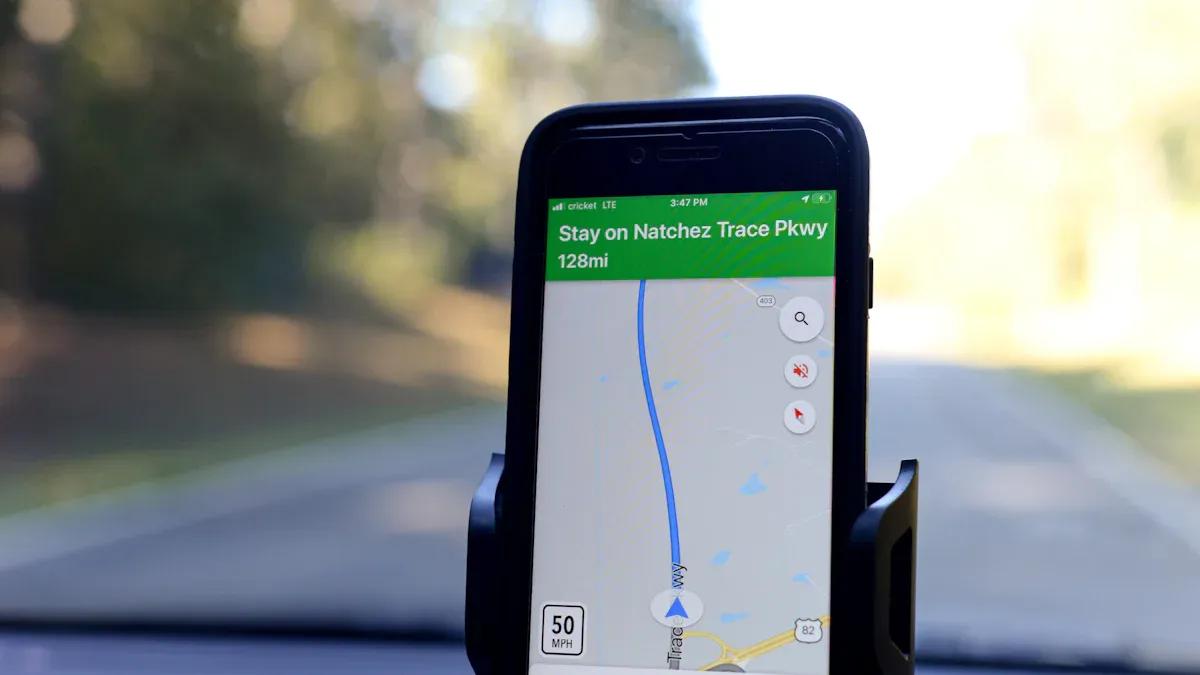
Google Alerts is simple but useful. It sends you a notice when your brand shows up online. Here's what you get:
- Real-Time Alerts — Get emails when your brand name, product names, or key terms appear in new content.
- Custom Settings — Track certain keywords, rival names, or trends. Pick how often you get updates.
- Wide Reach — Covers news, blogs, forums, and other pages that Google indexes.
Pricing
Google Alerts is fully free with no caps. Create as many alerts as you want at no cost. This makes it a great fit for all types of business that want to keep tabs on their brand.
Pros and Cons
Pros: Takes minutes to set up. You'll know right away when someone mentions your brand. Handy for tracking feedback patterns and spotting new trends.
Cons: Can miss some social media posts and niche forums that paid tools catch. Only tracks what Google has indexed — gated or private content won't show up.
Use Cases
Google Alerts is used across many fields. PR Firms track press and stories about client brands. Support Teams watch blogs and forums to spot service issues early. Small Businesses set up alerts for both good and bad mentions so they can respond fast. For a free tool, it's a solid base for brand tracking — pair it with a review platform for better results.
Tool 3: Feefo
Key Features
Feefo stands out because only real buyers can leave reviews. If you didn't make a purchase, you can't post. This gives reviews a strong trust signal. Here's what it includes:
- Verified Reviews — Only confirmed buyers can leave feedback. Feefo has been called the "Gold Standard for customer reviews."
- Custom Surveys — Build forms to ask about specific parts of the buyer's experience.
- Stats Dashboard — Track your review trends and customer mood over time.
Pricing
Feefo has a free plan for basic review collection. Paid plans open up better stats, custom survey tools, and more ways to link with your site.
Pros and Cons
Pros: Very high trust since only verified buyers can post. Clean, easy-to-use design. Strong ties with online stores for sending review requests on autopilot.
Cons: The free tier has fewer features than rivals. The buyer-only rule means you'll get fewer total reviews.
Use Cases
Feefo fits many types of business. Online Stores use verified reviews to build buyer trust and cut cart drop-off. Service Providers — from clinics to hotels to consultants — use it to collect honest customer feedback. Chains manage reviews across many locations while keeping quality even. If you care more about review trust than review count, Feefo is a strong pick.
Tool 4: Glassdoor
Key Features
Glassdoor is mainly a workplace review site. It's a must-have if you want to attract talent and build your employer brand. Here's what it offers:
- Staff Reviews — Current and past workers share honest takes on culture, leadership, and growth chances.
- Salary Data — See how your pay compares to rivals with clear salary info.
- Job Listings — Post openings to reach an active crowd of job seekers.
With 32 million unique monthly visitors, Glassdoor has a big say in how job hunters see you. To stand out, keep your company profile fresh, reply to reviews, and show what makes your workplace unique.
Pricing
Glassdoor gives you a free basic profile with job posting and review reply features. Paid plans add deeper stats, targeted job ads, and rival benchmarks.
Pros and Cons
Pros: Massive reach among job seekers. Gives you real insight into how happy your team is. You can reply to reviews and shape how people see your brand as an employer.
Cons: Bad reviews sit right at the top and are hard to offset without real change. Advanced tools cost extra, which can sting for smaller firms.
Use Cases
Companies use Glassdoor in many ways. Tech Firms highlight their culture and growth stories to lure top engineers. Retail Brands ask happy team members to share their stories, building a genuine hiring pipeline. Service Firms show they care about staff by replying to all feedback. If hiring quality matters to your bottom line, Glassdoor is a must.
Tool 5: Reviews.io
Key Features
Reviews.io blends review collection with rival insights and AI-powered stats. What stands out:
- AI Tools (Free) — AI features come free on all plans, giving you smart insights and reply drafts.
- Simple Workflows — Purpose-built steps for collecting, checking, and showing reviews.
- Rival Benchmarks — See how your review scores stack up against others in your space.
- Full Toolkit — Covers product reviews, company reviews, Google seller ratings, and automated invite flows.
Pricing
Reviews.io has a free plan with core review tools. Paid plans unlock more stats, AI features, and richer widget options.
Pros and Cons
Pros: Clean design that's easy to learn. AI tools at no extra cost, which lowers the bar for smart review management. Covers the full review lifecycle from start to finish.
Cons: Some stats and custom options are locked behind paid plans. The free tier is slim next to paid rivals.
Use Cases
Reviews.io works for many types of business. Online Stores use verified customer reviews to boost trust and sales on product pages. Service Providers collect structured feedback to spot and fix issues. Chains keep review quality steady across locations. With its mix of AI tools and clean design, Reviews.io is one of the strongest platforms for teams ready to level up their review game.
Tool 6: LinkedIn
Key Features
LinkedIn works as both a networking platform and a tool for managing your personal or company image. Here's why it matters:
- Search Visibility — LinkedIn profiles often rank first in Google results for personal names. That makes it key for your online image.
- Endorsements and Recs — Skills endorsements provide social proof. Written recs offer real evidence of expertise and impact.
- Networking — Connect with industry leaders, prospects, and partners to build trust.
Pricing
The free tier covers profile creation, networking, and basic messaging. Premium plans add InMail, deeper stats, and better search tools.
Pros and Cons
Pros: Dominates search results for names and brands. High trust with both search engines and hiring teams. You control how your story looks to the public.
Cons: Free version locks out InMail and detailed stats. How well it works depends on your industry and how active your network is.
Use Cases
LinkedIn's value extends across many roles. Job Seekers build a full story with skills, experience, and recs that shape first impressions. Freelancers earn trust through detailed recs that show their expertise and client results. Business Owners build thought leadership and connect with prospects, which boosts their name beyond their company brand. Active LinkedIn management is one of the highest-ROI brand-building tasks you can do.
Tool 7: Reddit
Key Features
Reddit offers a unique, community-driven way to track your brand image. It fills gaps that formal review sites miss. Key features:
- Community Engagement — Join relevant subreddits to answer questions, address concerns, and build a real brand presence.
- Brand Tracking — Watch for brand mentions across thousands of active groups to spot shifts in how people feel about you.
- Raw Feedback — Access honest customer views that often surface issues no formal review channel would catch.
Pricing
Reddit is free for brand tracking and community engagement. Paid ad options exist, but the core value for brand image comes from organic involvement.
Pros and Cons
Risks
Benefits
Anonymity
Unverified claims can spread unchecked, leading to false info.
Allows for raw, honest customer feedback that can spotlight real issues.
Echo chambers
Negative comments can take over a thread, skewing how people see you.
Engaging can let you correct the record and improve how people see you.
Moderation
Volunteer mods can remove replies in a biased way.
Tracking can serve as an early warning system for customer complaints.
Search reach
Negative threads can rank higher than your own website.
Active engagement can improve your search presence and counter bad press.
Speed of response
Ignoring complaints can make you look like you don't care.
Quick replies can build trust and loyalty.
Real-world feedback
Defending a business can be tough due to anti-corporate attitudes.
Negative feedback can give you real insights for improvement.
If you're ready to move beyond free tools, our Best Review Management Software 2026 Buyer's Guide compares the top paid platforms with a full feature matrix and pricing breakdown.
--- Looking beyond free tools? Compare premium options in our AI reputation management tools roundup, or see how Praising.ai stacks up against the industry giant in our Birdeye vs Praising.ai comparison.
Frequently Asked Questions
What is the best free reputation management tool?
Trustpilot and Google Alerts are the most widely used free options. Trustpilot offers a free plan for collecting and showing reviews. Google Alerts tracks brand mentions across the web at no cost. For a more complete solution, Praising.ai automates review requests and brings your Google and Trustpilot reviews into one inbox.
How can small businesses manage their online reputation for free?
Start with free tools like Google Alerts for brand tracking, Trustpilot for review collection, and Google Business Profile for local reviews. Set up automated review request emails and respond to all reviews within 24 hours. These steps alone can make a big difference.
What features should I look for in reputation management software?
Look for multi-platform review tracking, automated review request campaigns, mood analysis, response templates, and a stats dashboard. It should also work with Google, Yelp, Trustpilot, and sites specific to your industry.
Is reputation management software worth it for small businesses?
Yes. Businesses that actively manage reviews see an average 3x jump in review volume and higher star ratings. Even free tools can have a clear impact on local search rankings and customer trust. The return on investment typically beats the cost within the first month.
Ready to grow?
Turn happy customers into 5-star reviews
Praising.ai automates review requests for Google, Trustpilot and the other review sites you use. Businesses see an average 3x increase in reviews within 30 days.
Written by
· 106 articlesMarcus Webb
Reputation Management Specialist
Marcus has spent over a decade helping small and medium businesses understand online reviews and local search. He writes about Google Business Profile, review automation, and the mechanics of reputation management—always from the angle of what actually moves the needle for independent businesses.
View all articlesGet weekly review tips
Actionable strategies to grow reviews and revenue, straight to your inbox.
No spam. Unsubscribe anytime.
Get more 5-star reviews on autopilot
Praising.ai automates review requests for Google, Trustpilot and the other review sites you use — free to start, no credit card required.
Start FreeFree 14-day trial